「春の七草」って何? ― 千年以上続く、整えるための食文化 ―
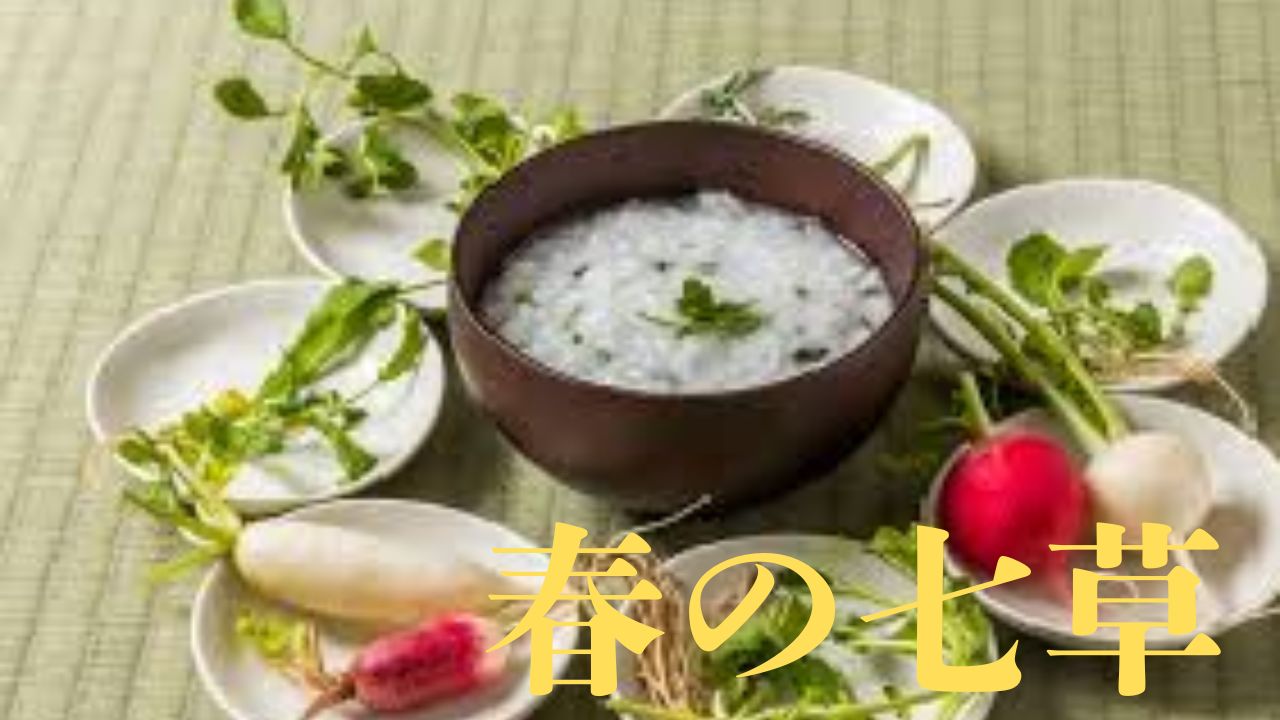
1月7日に七草がゆを食べる「春の七草」。
実はとても古い歴史を持っています。
その起源は平安時代。
宮中行事として始まり、
一年の無病息災を願う儀式のひとつでした。
当時の人々にとって、自然の草木の力をいただくことは、
生きるための大切な知恵だったのです。
★ The tradition of Nanakusa dates back over a thousand years.
(七草の習慣は、千年以上前にさかのぼります)
七草がゆは、ただの健康食というわけではありません。
日本の「節句(せっく)」という考え方と深く結びついています。
節句とは季節の変わり目にあたる日に、災いを祓い、
健康や成長を願うための行事のことです。
人の体や心は、季節の変わり目に乱れやすいと考えられ、
そこで日本人は、食や行事を通して、意識的に自然とともに
整える時間をつくってきました。
新しい年が明けて、一年で最初の節句が、
この1月7日の「人日(じんじつ)の節句」。
七草は、お正月という非日常から、日常へと戻るための節目。
「年の始まりから、体と暮らしを整える」日本らしいリズムが
見えてきますね。
★ Sekku marks seasonal turning points in Japanese culture.
(節句は、季節の節目を表す日本文化です)
★We Japanese people begin the year by adjusting our bodies and daily lives in harmony with nature.
(私たち日本人は年の始まりから、自然とともに体と暮らしを整えます)
七草に選ばれている植物にも、意味があります。
せりは食欲増進、
なずなは解毒、
すずな(かぶ)やすずしろ(大根)は消化を助ける。
栄養学的にもビタミンやミネラルが豊富で、
お正月のごちそうで疲れた胃腸を休ませるのに適しています。
★ Nanakusa-gayu gently supports digestion.
(七草がゆは、消化をやさしく助けます)
日本人は昔から「体を酷使したあとには、休ませる」
という感覚を大切にしてきました。
ここが、海外のデトックス文化との大きな違いでもあります。
海外では、ファスティングや断食、ジューンクレンズといった、
短期間で“リセットする”方法が注目されがちです。
一気に悪いものを出し、そこに新しいものを入れる。
一方、日本の七草がゆは、急激な変化は求めず、
ゆっくり、静かに、元の自然で良い状態に戻していきますね。
★ Japanese detox is gentle, not extreme.
(日本のデトックスは、穏やかで極端ではありません)
無理に頑張るのではなく、自分の状態をみながら整えていく、
これが日本的な回復の仕方です。
七草がゆは、
「健康のために何かをする」というより、
「これ以上、無理をしない。身体を労わってあげる。」
という選択なのかもしれません。
忙しい現代でも、
1月7日になると七草を取り入れているのは、
「お正月のごちそうで疲れた胃腸を休ませるのに適している」
という考えがが日本人の暮らしの中に残っているからなのでしょう。
春の七草は、
自然・身体・時間の流れを大事にする、日本文化の象徴です。
派手さはありませんが、
知るほどに深みのある習慣です。
春の七草のように、
日本には「意味を知ると、説明したくなる文化」が数多くあります。
なぜ1月7日なのか。
なぜおかゆなのか。
なぜ“整える”ことを大切にするのか。
こうした背景は、
単語を英語に置き換えるだけでは伝わりません。
やまと英語講座では、
七草・節句・お正月といった日本文化を題材に、
初心者でも使えるやさしい英語で、
日本人の感覚や価値観をそのまま伝える練習をしています。
英語を話せるようになることよりも、
「日本人として、何をどう伝えたいのか」を整理すること。
海外の人から
「That’s very Japanese. I like that idea.」
と言われる説明を、一緒に身につけてみませんか。
What Are the Seven Herbs of Spring?
— A Food Culture for Resetting, Passed Down for Over a Thousand Years —
In Japan, people eat Nanakusa-gayu (rice porridge with seven herbs) on January 7th.
This custom, known as Haru no Nanakusa (the Seven Herbs of Spring), has a very long history.
Its origins go back to the Heian period (over 1,000 years ago), when it began as a court ritual.
It was performed to pray for good health and freedom from illness throughout the year.
For people at that time, receiving the power of wild herbs from nature was essential wisdom for living.
★ The tradition of Nanakusa dates back over a thousand years.
Nanakusa-gayu is not just a healthy meal.
It is deeply connected to the Japanese concept of Sekku (seasonal festivals).
Sekku are special days held at seasonal turning points.
They were believed to be times when people were more vulnerable to illness or misfortune.
Through food and rituals, Japanese people consciously created moments to realign themselves with nature.
The first Sekku of the year is January 7th, called Jinjitsu no Sekku.
The Seven Herbs mark the transition from the non-ordinary time of the New Year back to everyday life.
They show a uniquely Japanese rhythm of “resetting body and life at the very beginning of the year.”
★ Sekku marks seasonal turning points in Japanese culture.
★ We Japanese people begin the year by adjusting our bodies and daily lives in harmony with nature.
Each of the seven herbs has its own meaning and function.
Seri (water dropwort) stimulates appetite,
Nazuna (shepherd’s purse) is believed to help detoxification,
and Suzuna (turnip) and Suzushiro (daikon radish) support digestion.
From a nutritional perspective as well, these herbs are rich in vitamins and minerals.
They are gentle on the stomach, which may be tired after heavy New Year meals.
★ Nanakusa-gayu gently supports digestion.
Japanese people have long valued the idea of “resting the body after overuse.”
This is where Japanese culture differs greatly from modern detox trends overseas.
In many countries, detox often means fasting, juice cleanses, or strict short-term programs.
The goal is to remove everything quickly and then replace it with something new.
In contrast, Nanakusa-gayu does not aim for drastic change.
It quietly and slowly helps the body return to a natural, balanced state.
★ Japanese detox is gentle, not extreme.
Instead of pushing the body, Japanese people observe their condition and adjust gently.
This is a very Japanese way of recovery.
Rather than “doing something for health,”
Nanakusa-gayu may be seen as choosing “not to overdo things any further.”
Even in modern life, many people still eat Nanakusa-gayu on January 7th.
This reflects a lingering belief that it is good to rest the stomach after the New Year feast.
The Seven Herbs of Spring symbolize a Japanese way of living that respects nature, the body, and the flow of time.
They are not flashy, but the more you learn about them, the deeper their meaning becomes.
Like the Seven Herbs, Japan has many cultural practices that people want to explain once they understand the meaning.
Why January 7th?
Why rice porridge?
Why is “resetting” so important?
These ideas cannot be conveyed by simply translating words into English.
They require explaining the values and sensibilities behind them.
In the Yamato English course, we use themes such as Nanakusa, Sekku, and Japanese New Year traditions to practice explaining Japanese culture in simple, beginner-friendly English.
The goal is not just to speak English,
but to clarify what we, as Japanese people, truly value and want to share.
Let’s learn how to explain Japanese culture in a way that makes people say:
“That’s very Japanese. I like that idea.”

コメント