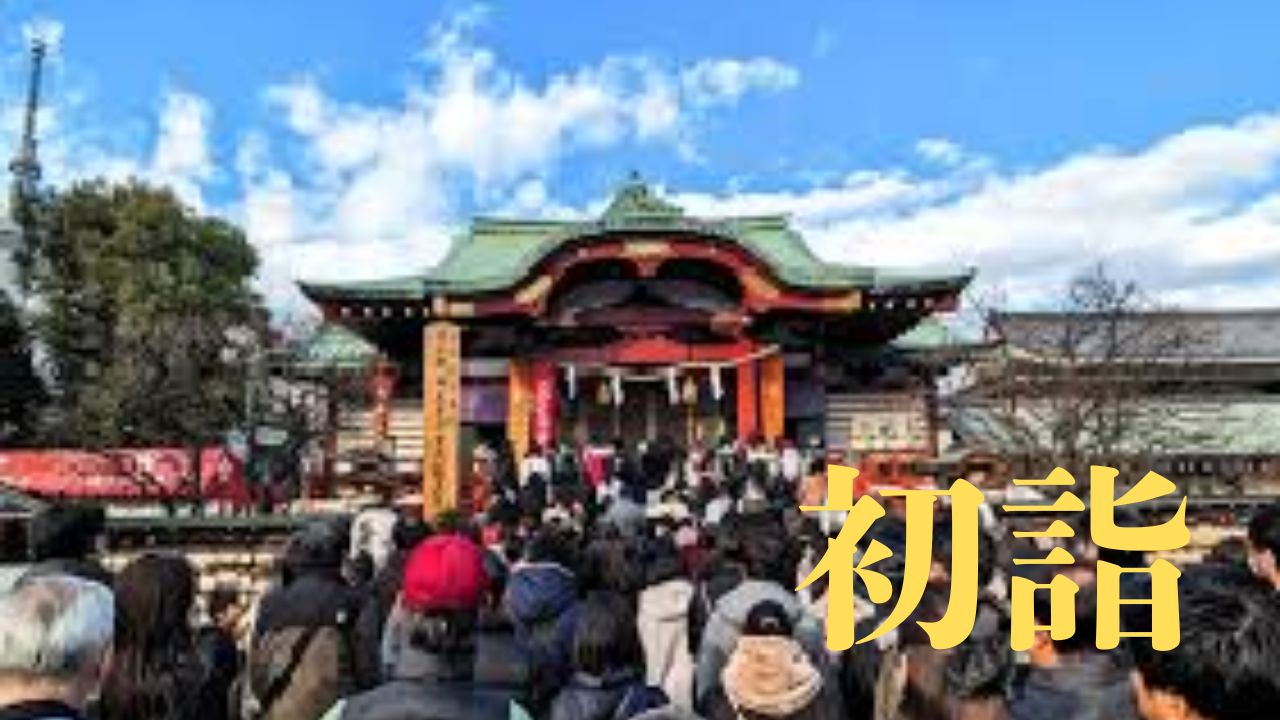
なぜ日本人は「初詣」に行くのか ― 新しい年のはじまりに、神様へ挨拶をする文化 ―
お正月になると、日本では多くの人が神社やお寺に出かけます。
31日大晦日の夜に出かけて、日付が変わるのを待つ人たちも沢山います。
これを「初詣(はつもうで)」と呼びます。
三が日になると、神社の前には長い行列ができ、
家族や友人と一緒に参拝する姿があちこちで見られます。
日本人にとってはとても自然な光景ですが、
海外の人からすると、少し不思議に映る文化です。
★ Many Japanese people visit shrines or temples at the beginning of the year.
(多くの日本人は、年のはじめに神社やお寺を訪れます)
外国の人からよく聞かれる質問があります。
「Are Japanese people very religious?」
「Why do you go to shrines if you are not religious?」
実は、日本人の初詣は
「信仰しているから行く」というよりも、
“新しい年の挨拶”に近い感覚なのです。
★ Hatsumode is the first shrine or temple visit of the year.
(初詣は、その年最初の神社やお寺への参拝です)
初詣の本来の意味は、
新しい年を無事に迎えられたことへの感謝と、
これから始まる一年のお願いを伝えること。
「去年もありがとうございました」
「今年もよろしくお願いします」
日本人は、そんな気持ちで神様や仏様の前に立ちます。
とても丁寧で、人との関係に似た感覚ですね。
★ People pray for health, happiness, and safety.
(人々は健康や幸せ、安全を祈ります)
初詣では、
お賽銭を入れ、手を合わせ、頭を下げます。
お願いごとをする人もいれば、
心の中で静かに一年の目標を確認する人もいます。
また、おみくじを引いたり、
お守りを新しくしたりするのも初詣の楽しみのひとつです。
「当たる」「当たらない」よりも、
今の自分へのメッセージとして受け取る人も多いでしょう。
★ Omikuji tells you your fortune for the year.
(おみくじは、その年の運勢を教えてくれます)
海外では、
「Why do you do all of this every year?」
と聞かれることがあります。
けれど日本人にとって初詣は、
特別なイベントというより、
気持ちを整えるための大切な習慣です。
一年の始まりに、
立ち止まって、感謝して、願いを確認する。
この行為があることで、
新しい年を前向きな気持ちでスタートできるのです。
★ Hatsumode is a way to prepare your heart and mind for the new year.
(初詣は、新しい年のために心や意識を整える行為です)
日本人の初詣には、
「目に見えない存在を大切にする」
「節目を大切にする」
という価値観が表れています。
宗教というより、文化。
信仰というより、習慣。
この曖昧さこそが、日本らしさなのかもしれません。
初詣を知ると、
日本人がどのように新しい年と向き合ってきたのかが見えてきます。
外国の人にとっては不思議で、
でもとても興味深い文化のひとつです。
初詣のように、
日本には「日本人には自然だけれど、外国の人には説明が必要な文化」
が数多くあります。
なぜ年のはじめに神社やお寺へ行くのか。
なぜ「信仰しているわけではない」のに手を合わせるのか。
なぜお願いだけでなく、感謝を伝えるのか。
こうした日本の文化や感覚は、
単語を英語に置き換えるだけでは、なかなか伝わりません。
背景にある考え方や、日本人らしい距離感まで含めて説明する必要があります。
やまと英語講座では、
初詣・お正月・年神様といった日本独自の習慣を題材に、
英語が得意でなくても使える、やさしい英語で
「相手に伝わる伝え方」を練習しています。
英語を学ぶことが目的ではなく、
日本人として、何を大切にしてきたのかを言葉にすること。
海外の人から
「I understand now. That makes sense.」
と言われるような、
日本文化の伝え方を、一緒に身につけてみませんか。
Why Do Japanese People Go to Hatsumode?
— Greeting the Gods at the Beginning of the New Year —
During the New Year season, many people in Japan visit shrines or temples.
Some even go out on the night of December 31st and wait until the date changes.
This tradition is called Hatsumode, the first shrine or temple visit of the year.
During the first three days of January, known as Sanganichi,
long lines form in front of shrines.
People visit together with their family members or friends.
For Japanese people, this is a very natural and familiar scene.
But for many foreigners, it looks a little mysterious.
★ Many Japanese people visit shrines or temples at the beginning of the year.
Foreign visitors often ask questions such as:
“Are Japanese people very religious?”
“Why do you go to shrines if you are not religious?”
In fact, Hatsumode is not so much about strong religious belief.
It is closer to a New Year’s greeting.
★ Hatsumode is the first shrine or temple visit of the year.
The original meaning of Hatsumode is to express gratitude
for safely reaching the new year
and to share wishes for the year ahead.
“Thank you for last year.”
“Please take care of us again this year.”
With these feelings in mind, Japanese people stand quietly in front of the gods or Buddhas.
It is a very polite and respectful attitude,
similar to how we greet people we value.
★ People pray for health, happiness, and safety.
During Hatsumode, people place coins into the offering box,
put their hands together, and bow their heads.
Some people make wishes,
while others quietly reflect on their goals for the coming year.
Drawing omikuji (fortune slips)
and buying new omamori (protective charms)
are also popular parts of Hatsumode.
Rather than focusing on whether the fortune is “good” or “bad,”
many people see it as a message for their current life.
★ Omikuji tells you your fortune for the year.
Foreigners sometimes ask,
“Why do you do all of this every year?”
But for Japanese people, Hatsumode is not a special event.
It is an important habit to prepare the heart and mind.
At the beginning of the year,
we pause, feel gratitude, and confirm our hopes.
This quiet moment helps us start the new year with a positive mindset.
★ Hatsumode is a way to prepare your heart and mind for the new year.
Hatsumode reflects important Japanese values, such as:
respect for invisible beings
and appreciation for life’s turning points.
It is more cultural than religious.
More habitual than based on strict faith.
This gentle ambiguity may be one of the most Japanese characteristics of all.
By learning about Hatsumode,
we can better understand how Japanese people face the beginning of a new year.
For foreigners, it may seem strange at first,
but it is also a deeply fascinating tradition.
Like Hatsumode,
Japan has many customs that feel natural to Japanese people
but require explanation for those from other cultures.
Why do we visit shrines or temples at the start of the year?
Why do we put our hands together even if we are “not religious”?
Why do we express gratitude, not only wishes?
These cultural feelings cannot be communicated by translating words alone.
To truly explain them, we need to share the values
and the uniquely Japanese sense of distance and respect behind them.


コメント