書き初め・初稽古・初釜 ― 日本人が1年のはじまりに大切にしていること ―
1年の始まりの月である1月。
日本には、書き初め、初稽古、初釜など、
一年の最初に行う「初(はつ)」の行事があります。
新しい年を迎え、気持ちを新たにする。
まずは自分の在り方を整え、心をリセットする。
「去年よりも、少しでもよい一年にしよう」
そんな静かな決意をするための、日本ならではの大切な文化です。
書き初め ― 心に決めた抱負を、文字にする
書き初めでは、新年を祝う言葉や、その年の目標を書きます。
それは字の上達を願い、
自分の中にある想いを、半紙に書いて心に刻む行為でもあります。
書くことで、気持ちが整い、
「今年はこう在ろう」という決意を定めます。
初稽古 ― 姿勢を正し、一年を始める
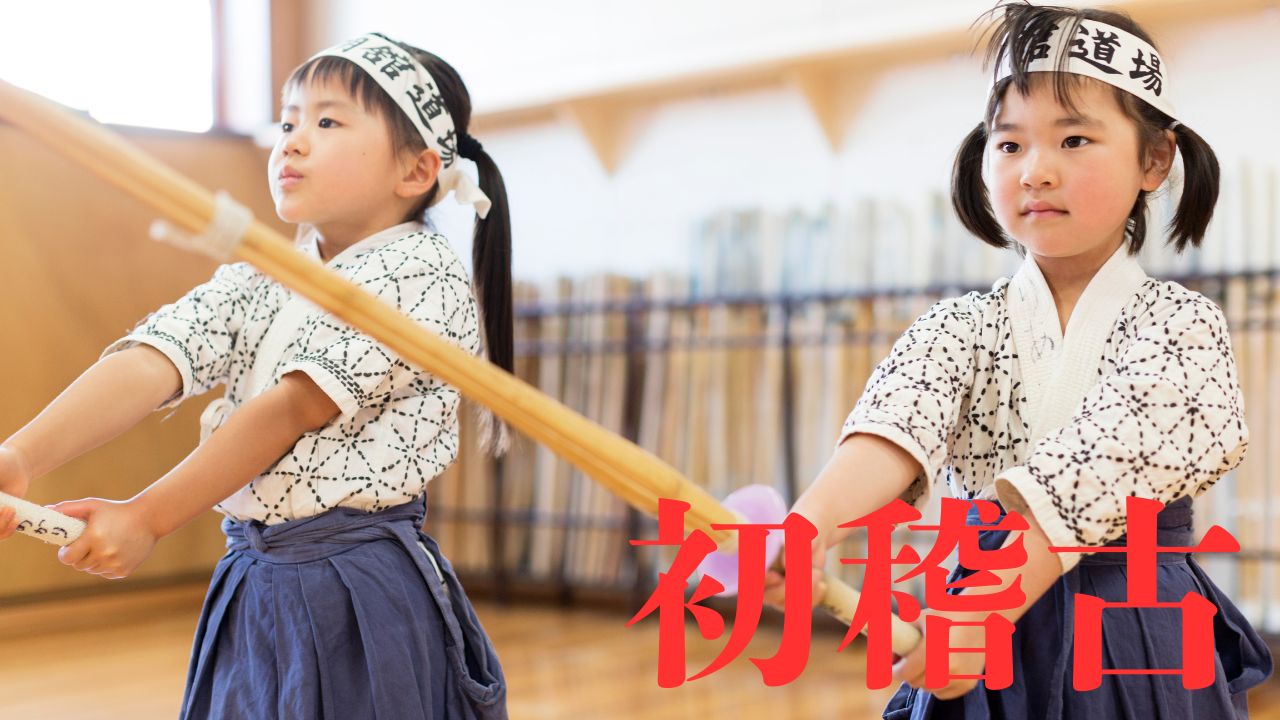
武道や芸道の世界では、1月に初稽古(はつげいこ)が行われます。
初稽古は「稽古始め」とも呼ばれ、
その年の技術向上、健康、精進を祈願する日本の伝統的な習慣です。
新年最初の稽古は、主に1月2日に行われ、
武道や伝統芸能の世界では欠かせない大切な節目となっています。
仲間との絆を深め、意気込みや決意を新たにする、
交流の場でもあるのです。
ここで、海外の方にも伝えやすい簡単な英文をご紹介します。
Hatsugeiko is the first practice of the year.
People train again with a fresh mind and a respectful attitude.
(初稽古とは、新しい気持ちと姿勢で行う、その年最初の稽古です)
初釜 ― 一年の始まりを、もてなしの心で
茶道では、年明け最初の茶会として初釜(はつがま)が行われます。
「年が明けて初めて釜に火を入れる」ことを意味する初釜は、
かつては元旦の早朝に汲まれた水、若水(わかみず)で
お茶が点てられていました。
茶道を学ぶ人にとって初釜は、
単なるお茶会ではなく、
一年の稽古の始まりを告げる、特別な“新年会”のような存在。
亭主と客がともに新年を寿ぎ、
感謝と敬意を分かち合う時間でもあります。
こちらも、やさしい英文で表すと——
Hatsugama is the first tea ceremony of the new year.
It is a special occasion to celebrate a fresh start together.
(初釜は、新しい年の始まりを共に祝う、特別な茶会です)
「何をするか」よりも、「どう在るか」
日本人は、こうした「初」の行為を通して、
無意識のうちに自分自身を見つめ直してきました。
どんな姿勢で一年を過ごすのか、この考え方は、
「一年の計は元旦にあり」ということわざにも表れています。
The plan for the year begins on New Year’s Day.
これは、細かな行動計画を立てなさい、という意味よりも
それ以上に、一年の方向性や心構えを、最初に整えること。
そんな習慣、文化を日本人は大切にしてきました。
新しい年を迎えたら、
気持ちを新たにし、心をリセットし、
前の年よりも、ほんの少しでもよい一年にしようとします。
その姿勢こそが、日本の「初」に込められた精神なのではないかと思います。
1月も終わりに近づきました、
お正月気分は終わってすでに日常の中へと戻っていきます。
「初」を大切にする日本文化は、内省すること、心を整えて
日々過ごす大切さを慌ただしい現代を生きる私たちに教えてくれています。
「やまと英語」で、日本文化を“伝わる英語”に
こうした日本文化の背景にある価値観や精神性は、
実は海外の方にとても興味を持たれています。
けれど、日本人自身が英語で説明するのは意外と難しいものです。
やまと英語では、書き初め、初稽古、初釜といった日本文化を題材に、
難しい表現を使わず、「相手に伝わる英語」で語る力を育てていきます。
日本人として大切にしてきた感覚を、
そのままの温度で、世界へ。
そんな英語を、一緒に身につけていきませんか。
Kakizome, Hatsugeiko, and Hatsugama — How Japanese People Prepare Their Hearts for a New Year —
January is the beginning of the year and
it is also a special time filled with traditional customs known as “Hatsu”,
which means “the first ”in Japan.
Kakizome (the first calligraphy),
Hatsugeiko (the first practice),
and Hatsugama (the first tea ceremony)
are all important events that mark the start of a new year.
Through these “first” activities,
Japanese people refresh their minds, reset their hearts,
and quietly prepare themselves for the year ahead.
Rather than rushing into action,
they begin by adjusting their way of being.
Kakizome — Writing One’s Intention for the Year
Kakizome is the first calligraphy writing of the year.
People write celebratory words or personal goals using brush and ink.
This tradition is not only about improving handwriting.
By writing carefully on white paper,
people clarify their thoughts and set a gentle intention for the year.
Writing helps calm the mind and brings focus.
It is a quiet moment to decide:
“This is how I want to live this year.”
Hatsugeiko — Beginning the Year with Proper Attitude
In martial arts and traditional performing arts,
people begin the year with Hatsugeiko, the first practice of the year.
Hatsugeiko is also called keiko-hajime, meaning “the start of training.”
It is usually held in early January, often on January 2nd.
Participants pray for improvement, good health, and dedication.
More importantly, they return to practice with humility, respect,
and a renewed mindset.
Hatsugeiko is the first practice of the year.
People train again with a fresh mind and a respectful attitude.
It is a moment to realign oneself
and to strengthen bonds with fellow practitioners.
Hatsugama — Welcoming the Year through Hospitality
In the world of tea ceremony, the new year begins with Hatsugama,
the first tea gathering of the year.
The word Hatsugama literally means
“lighting the kettle for the first time in the new year.”
Traditionally, tea was prepared using wakimizu—
fresh water drawn early on New Year’s morning.
For tea practitioners, Hatsugama is more than a tea event.
It is a symbolic beginning of the year’s training
and a time to express gratitude and respect
between host and guests.
Hatsugama is the first tea ceremony of the new year.
It is a special occasion to celebrate a fresh start together.
“What to Do” vs. “How to Be”
Through these “first” traditions,
Japanese people have long practiced self-reflection—often unconsciously.
What matters is not only what to do,
but how to be.
This mindset is reflected in the Japanese proverb:
“Ichinen no kei wa gantan ni ari.”
(The plan for the year begins on New Year’s Day.)
This saying does not simply mean making detailed plans.
It suggests setting one’s direction, values,
and attitude at the very beginning of the year.
By resetting the heart and mind,
people aim to make the coming year
just a little better than the last.
Learning to Express Japanese Culture in English
The values behind these traditions—
reflection, balance, respect, and intention—
are deeply fascinating to people around the world.
Yet many Japanese find it difficult
to explain these cultural ideas in English.
Yamato English helps bridge that gap.
Using familiar traditions like Kakizome, Hatsugeiko, and Hatsugama,
we learn how to express Japanese culture
in clear, simple, and meaningful English.
Not by translating word for word,
but by conveying the spirit behind the culture.
Let’s share the Japanese way of beginning a year
with the world.
#日本文化
#お正月の過ごし方
#書き初め
#茶道のある暮らし
#やまと英語
#JapaneseCulture
#JapaneseNewYear
#TeaCeremony
#MindfulnessJapan
#LearnJapaneseCulture
コメント