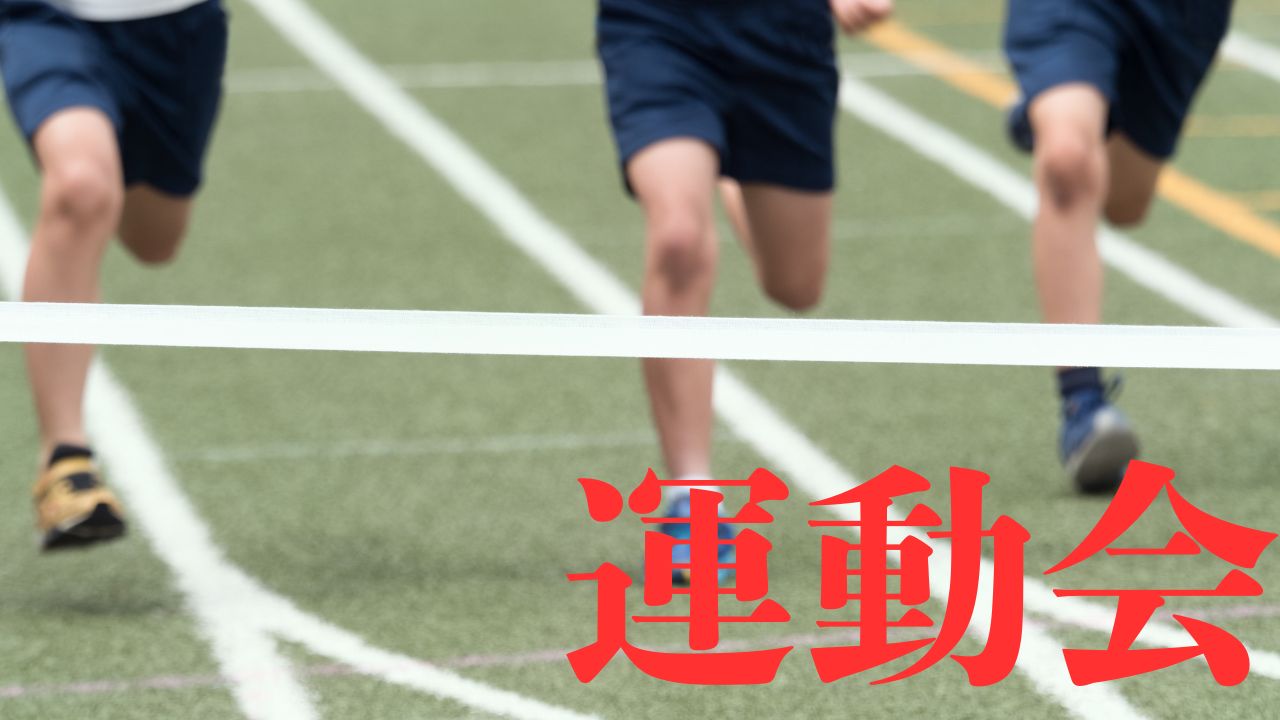
最近では春におこなう学校が多くなってきたようですが、
私が子どもの頃の、秋の学校行事のひとつといえば、やはり何といっても運動会。
足の速い子にとっては、ウキウキするイベントで、
運動の苦手な子にとっては、あまり楽しいイベントではないのかもしれません。
でも小・中・高校と、思い出に残っている学校行事です。
“Undokai” means “Sports Day” in Japanese.
(運動会とは、日本語で「スポーツの日」という意味です。)
運動会の数週間前から、子どもたちは学校で毎日練習をします。
かけっこ(短距離走)やリレーだけでなく、組体操、騎馬戦、大玉転がし、ダンス、綱引きなど、種目はさまざま。どれもクラスやチームで協力して行うものが多く、
「みんなで力を合わせること」を学びます。
日本が団体競技(チームスポーツ)で強い理由のひとつは、
こうした教育の積み重ねにあるのかもしれません。
幼い頃から「みんなで一つのことをやり遂げる」経験を繰り返すことで、
協調性や責任感が育まれていきます。
“In Japan, teamwork is more important than winning.”
(日本では、勝つことよりもチームワークの方が大切です。)
“Children practice hard every day for the Sports Day.”
(子どもたちは運動会のために毎日練習します。)
“Japanese students learn teamwork through Undokai.”
(日本の生徒は、運動会を通してチームワークを学びます。)
私が20日間のホームステイプログラムででオーストラリアの高校に通学していた時、
ちょうど「スポーツデー」の日がありました。
そのスポーツデーとは!
近くの競技場に全校生徒が移動して、、
体育の服装に着替えた子たちが、何だかただ走ってる。
先生と一緒に手をつないで走っている子もいたり。
観客席から見ていた私は「何だこれは!?」とカルチャーショックだったのを
今でも覚えています。たまたま行った私の学校がそうだったのか?
とにかく私たちが思い浮かべる「運動会」とは、かなりかけ離れたものだったのです。
運動会という行事は、明治時代の学校教育とともに広まりました。
もともとは西洋のスポーツ大会を参考にしたものですが、日本では独自の発展を遂げ、
いまでは幼稚園から高校まで、全国どこでも開催される恒例行事となりました。
特に組体操や騎馬戦は、日本特有の競技です。
チーム戦で戦う様子や、みんなで協力しあってバランスを取る組体操など、
子どもの成長に親は感動したり、応援の声に力が入ったり。
運動会は主役の子どもたちだけでなく、子どもの応援に出かける
親やおじいちゃん、おばあちゃん達にとっても楽しみな行事です。
「運動会」を英語に直すと「Sports Day」以外に言葉が見つかりませんが、
日本での運動会は、ただのスポーツイベントではなく、
「家族・学校・地域」が一つになる日本らしい文化のひとつです。
運動会は、地域の人々にとっても大切なイベントです。
近所のお年寄りが応援に来たり、町内会が手伝ったりすることもあります。
そして運動会の日のもうひとつの楽しみといえば、「お弁当」です。
午前中の競技が終わると、家族や親せきが校庭に集まって、お弁当を広げます。
からあげ、卵焼き、おにぎり、果物――。子どもたちは、午前中の競技のことを話しながら家族が作ってくれたお弁当を食べます。
“Families enjoy lunch together on the Sports Day.”
(運動会の日は、家族みんなでお弁当を食べます。)
この「家族そろってお弁当を囲むこと」は、日本らしい文化ですね。
走ること、踊ること、応援すること。
それぞれの子どもが一生懸命に頑張る姿には、見る人の心を動かす力があります。
そして、その中に日本人の大切にしてきた「和の心(harmony)」を見ることができます。
運動会は、単なるスポーツイベントではなく、
「努力」「協力」「感謝」「家族の絆」を感じる、日本の文化そのもの。
青空の下で汗を流し、笑い、応援し合うその一日は、子どもたちにとっても、家族にとっても忘れられない思い出になります。
“Sports Day in Japan is more than a school event. It’s a day to learn harmony, teamwork, and gratitude.”(日本の運動会は、ただの学校行事ではなく、調和・チームワーク・感謝を学ぶ日です。)
海外から日本を訪れる人にとって、もし学校の運動会を見学する機会があれば、ぜひ一度見てほしい行事です。
私がオーストラリアでカルチャーショックを受けたように、
運動会を見てこの文化の違いを面白いと海外の人は思ってくれるのではないかと思います。
In Japan, many schools today hold their Sports Day (called Undokai in Japanese) in spring. But when I was a child, it was one of the big autumn school events that everyone looked forward to.
For children who were good at running, it was an exciting day.
For those who didn’t like sports very much, maybe not so much.
Still, for most Japanese people, Undokai remains one of the most memorable school experiences.
What Is “Undokai”?
“Undokai” literally means “Sports Day” in Japanese.
It is a special day when students take part in many athletic and team events at school.
Weeks before the day, children practice every day.
Besides races and relays, there are many other events such as group gymnastics, cavalry battles, tug-of-war, ball games, and dance performances.
Most activities are done in teams, so students learn to cooperate and support each other.
“In Japan, teamwork is more important than winning.”
“Children practice hard every day for the Sports Day.”
“Japanese students learn teamwork through Undokai.”
One reason Japan is strong in team sports might be because of this kind of education.
From a young age, children experience what it means to “work together toward one goal.”Through Undokai, they learn team spirit, cooperation, and responsibility.
A Culture Shock in Australia
When I joined a 20-day homestay program in Australia, I had a chance to see their Sports Day at a local high school.
All students moved to a nearby stadium and ran around the track—some even held hands with teachers while running!
Watching from the stands, I couldn’t help thinking, “What is this!?”
Maybe it was just that school, but it was completely different from what we imagine as a Japanese Undokai.
That day gave me a real culture shock and helped me see how unique Japan’s version of Sports Day is.
History of Undokai
The tradition of Undokai began in the Meiji period (late 19th century) along with modern school education.
It was inspired by Western-style sports festivals but developed into something uniquely Japanese.
Today, it is a national event held at kindergartens, elementary, junior high, and high schools across Japan.
Events like group gymnastics and cavalry battles (kibasen) are especially Japanese.
Parents and grandparents come to cheer for their children, often with tears of pride.
For many families, Undokai is a day of joy and shared memories.
A Day for Family and Community
Although the English term “Sports Day” sounds simple, Undokai is much more than a sports event.
It is a cultural celebration where family, school, and community become one.
Local residents often come to watch or help organize the event.
And of course, one of the biggest joys of the day is the lunch time!
After the morning games, families spread out picnic sheets on the school grounds and enjoy homemade bento lunchboxes—
fried chicken, rolled omelets, rice balls, and fruits.
Children share stories of their morning events while eating with their family.
“Families enjoy lunch together on the Sports Day.”
This family picnic time is another beautiful part of Japanese culture.
The Spirit of “Wa” – Harmony
Running, dancing, cheering — every child does their best.
Their effort touches the hearts of everyone watching.
Through Undokai, we can see the Japanese spirit of “Wa” (harmony)—the idea of working together peacefully.
Sports Day in Japan is not only about sports.
It’s about effort, teamwork, gratitude, and family bonds.
Under the blue sky, everyone sweats, cheers, and smiles together.
It becomes a precious memory for both children and their families.
“Sports Day in Japan is more than a school event. It’s a day to learn harmony, teamwork, and gratitude.”
Experience It Yourself
If you ever visit Japan and have a chance to see a school Sports Day, don’t miss it.
Just like I felt a culture shock in Australia, you may be surprised—and deeply moved—by the spirit and unity you’ll find at a Japanese Undokai.
コメント