アメリカ人YouTuberさんのエピソード。
日本の宿泊施設で必ず見かけて印象に残ったもの、それは「スリッパ」だそうです。
民泊では使いまわしの清潔なスリッパが用意され、
ホテルでは新品の物が置かれているなど、アメリカにはない光景に彼は驚きました。
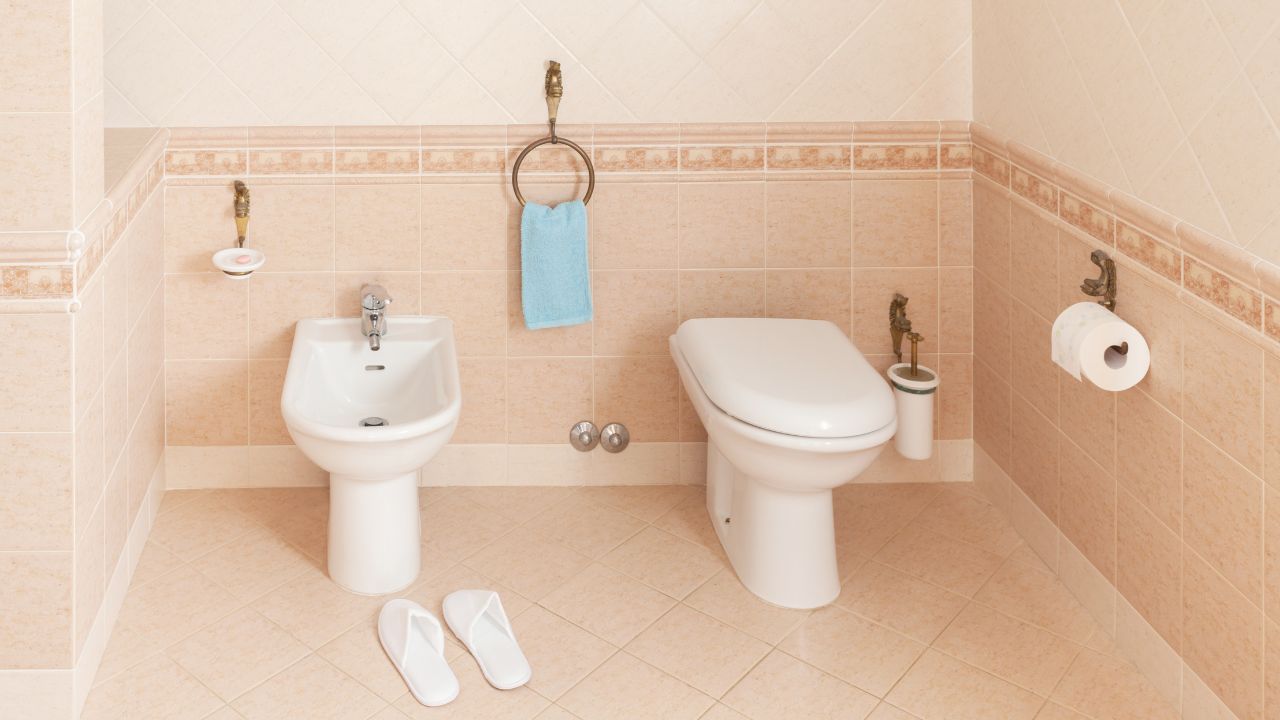
さらに「お手洗いにはトイレ用のスリッパが置いてある!」と、場所ごとに使い分けされていることにも衝撃を受けたそうです。
海外には室内で脱ぐ習慣がなく、ホテルなどでスリッパが用意されることは少ないといわれています。一方、日本の宿泊施設では外の汚れを入れないよう、清潔さを保つためのスリッパのサービスに感銘を受ける、外国人観光客は多いようです。
—- Hint-Potより一部引用
清浄と不浄を分ける感覚
日本人は古くから「清い」と「汚れたもの」を分ける感覚を持ってきました。神道の世界では、清浄さは神聖さに通じ、不浄は避けるべきものと考えられています。神社に入る前に手や口を清める「手水(ちょうず)」の習慣も、この考えから来ています。
その感覚は日常生活にも取り入れられています。外の土やほこりを室内に持ち込むのは「不浄を家に入れる」ことに等しい、と考えます。だからこそ、日本の家では土間や玄関で靴を脱ぎ、清浄な生活空間と外の世界を明確に分けるのです。
さらにトイレは、昔から「不浄の場」と考えられてきました。トイレ専用のスリッパを用意し、そこだけ履き替えるのは、清浄と不浄の境界をわけるためです。
英語では簡単にこう説明できます。
In Japan, people take off their shoes at home to keep the house clean. They also use special slippers for the
Toilet to separate clean and unclean areas.
日本では家を清潔に保つために靴を脱ぎます。トイレでは清浄と不浄を分けるために専用のスリッパを使います。
履物が示す「場の切り替え」
履物を変える行為は、単なる衛生管理のためなのではありません。日本文化においては「場」を尊重する考え方があります。茶室に入る前に身支度を整え、鳥居をくぐるときに一礼するように、人は場所ごとに振る舞いを切り替えるのが、相手や見えないものに尽くす礼儀とされてきました。
履物を替えることは、「私はこれから新しい場に入ります」という意識で身や心を整えます。玄関で靴を脱ぎ、家という親密で清浄な空間に入り意識を切り替えるのです。トイレ用スリッパに履き替えるときも、「ここは日常身を置くのとはとは違う特別な場」という意識が芽生えます。
靴を脱ぐ文化が育んだ暮らしの美意識
靴を脱ぐ習慣は、日本の住まいの美しさや快適さを支えてきました。畳や障子、床の間など、裸足や靴下で過ごすからこそ繊細な素材感を肌で感じることができます。
また、裸足で床に触れることで四季の変化を敏感に感じ取れるのも、日本の住まいならではです。夏には畳のひんやりした感触に涼を覚え、冬にはこたつの温もりに安心感を得る。靴を脱ぐ文化は、自然と共に暮らす日本人の感性を磨いてきたといえるかもしれません。
外国人にとっての驚きと学び
日本を訪れた外国人は、トイレ用スリッパや玄関での靴の扱いに最初は戸惑いを見せます。でも、理由を聞けばすぐに納得し、多くの人が「合理的で清潔だ」と感じてくれるようです。なかには「自分の国でも取り入れたい」と話す人も少なくありません。
履物の使い分けは、日本文化を理解する小さな入口です。外国人が日本の家で靴を脱ぐとき、単にルールを守るだけでなく、日本人の美意識や精神性に触れているのです。
「履物を変える」という一見些細な習慣は、日本人が大切にしてきた精神性の表れです。清浄と不浄を分け、場ごとに心を切り替え、自然と調和しながら暮らす。その積み重ねが、日本のマナーや生活様式を独自のものに作り上げてきました。
外国人にとって驚きのマナーも、日本人にとっては当たり前の日常。しかしながらそこには、目に見えない文化の哲学が隠れています。靴を脱ぎ、スリッパに履き替えるその瞬間、私たちは無意識に日本人としての心のあり方を体現しているのかもしれません。
Changing Shoes in Japan: A Unique Cultural Manner
— The Spirit Behind Japan’s “No Shoes Indoors” Rule —
When John, a traveler from the United States, visited his Japanese friend’s home in Tokyo, he experienced an unexpected cultural surprise. At the entrance, he was asked to take off his shoes and change into house slippers. Later, when he went to the restroom, he noticed another pair of smaller slippers placed neatly by the door.
“Why are there special slippers just for the toilet?” he asked curiously. His friend smiled and explained, “In Japan, we care about cleanliness. That’s why we change shoes depending on the place.” John laughed, took a photo, and said, “This is so interesting—changing footwear for every space!”
For many visitors, this practice is one of the most surprising Japanese manners. While it may seem like a small detail, it reflects a deeper layer of Japanese culture and spirituality.
The Japanese Sense of Clean and Unclean
In Japan, people have long held a clear sense of what is clean (seijō) and what is unclean (fujō). In Shinto belief, cleanliness is connected to purity and sacredness, while uncleanliness is something to be avoided. This is why visitors to a shrine wash their hands and rinse their mouths before entering.
The same idea applies to everyday life. The outside world is full of dust and dirt. To bring that inside would be like bringing “uncleanness” into the home. That is why Japanese houses have a genkan (entrance area) where people remove their shoes before stepping into the clean, indoor living space.
The toilet, traditionally considered an unclean place, is treated in the same way. By changing into toilet slippers, Japanese people maintain a symbolic boundary between pure and impure spaces.
Footwear as a Symbol of “Changing Spaces”
Changing footwear is not just about hygiene—it also represents a mental shift. Japanese culture places great importance on respecting the space you enter. Just as one bows before passing through a shrine gate or adjusts clothing before entering a tea room, changing shoes is a way to show awareness of place.Taking off shoes at the entrance is like saying, “I am ready to enter this special space.” Slipping into toilet slippers reminds you, “This is a different place, and I will behave accordingly.” Footwear, in this sense, acts as a small but powerful tool for changing mindset.
A Lifestyle Shaped by “No Shoes Indoors
The custom of removing shoes has shaped the Japanese lifestyle and aesthetics. Traditional houses with tatami mats, sliding doors, and low furniture are designed to be enjoyed with bare feet or socks. Walking on tatami gives a natural sense of comfort and connects people with seasonal changes—the coolness of the floor in summer, the warmth of a heated kotatsu in winter.
This sensitivity to nature and surroundings is part of what makes Japanese living unique. The act of removing shoes is not just about keeping floors clean, but also about appreciating the subtle beauty of everyday life.
A Surprising but Valuable Lesson for Visitors
For foreign visitors, toilet slippers or the idea of changing footwear in different areas may seem strange at first. But once they understand the cultural meaning, many come to admire it. Some even say, “I want to bring this idea back home.”
Thus, the simple act of taking off shoes becomes more than a rule—it becomes a gateway to understanding Japanese manners, respect for space, and cultural values. When you remove your shoes in Japan, you are not just following etiquette; you are stepping into the heart of Japanese culture.
The Japanese custom of changing shoes depending on the place—from the entrance, to house slippers, to toilet slippers—is more than a practical habit. It reflects a long tradition of respecting cleanliness, separating the sacred from the impure, and adjusting one’s mind to each new space.
What seems like an everyday routine for Japanese people often becomes one of the most surprising cultural experiences for foreign visitors. Behind this habit lies an invisible philosophy of life: to live in harmony with nature, respect the places we enter, and carry mindfulness into even the smallest details of daily life.
So, the next time you take off your shoes in Japan, remember—you are not only keeping the floor clean. You are participating in a timeless tradition, one that embodies the spirit and beauty of Japanese manners.
#Japanese Etiquette
#Japanese Manners
#Cultural Tips Japan
#Shoes Off in Japan
#Travel Japan Guide


コメント