秋を知らせる雲ーうろこ雲と日本文化
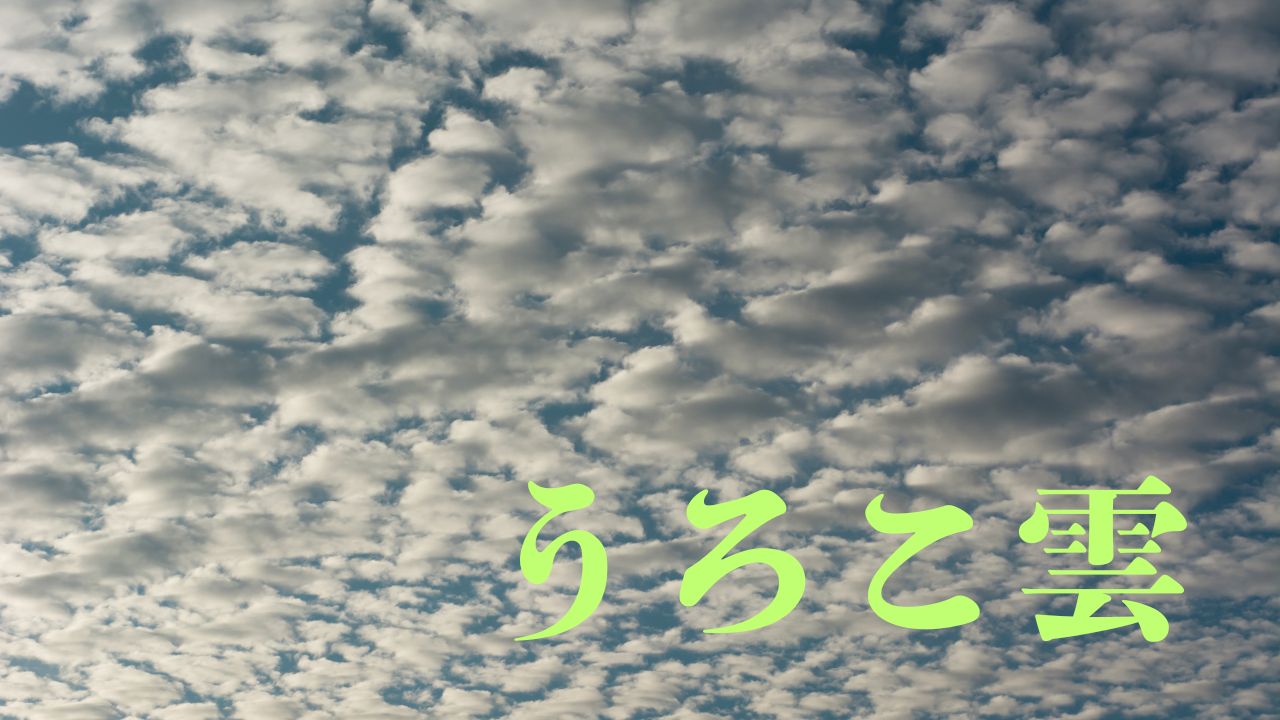
秋の空に広がる、たくさんの小さな白い雲。
魚の鱗(うろこ)のように見えることから「うろこ雲」と名前がついています。
私たち日本人はこの雲を見て、「あぁ、秋が来たな」と季節を感じます。
“Uroko-gumo are clouds that look like fish scales. They remind Japanese people of autumn.”
(うろこ雲は魚の鱗のように見える雲で、日本人に秋を思い出させます)
日本では古くから、自然の移ろいを繊細に感じ取り、それを言葉や文化に表してきました。
雲にも多くの名前があり、「ひつじ雲」「さば雲」「すじ雲」など、形や並び方によって呼び分けています。英語では「altocumulus(高積雲)」とまとめられるものも、
日本語ではその形の違いに注目し、細やかに名付けられているのです。
この豊かな表現は、日本人の自然観と深く結びついています。山や川、木々や花だけでなく、空に浮かぶ雲にも意味を見出し、季節を感じ取る感性を日本人はもっています。
“In Japan, people give many names to clouds, depending on their shapes.”(日本では雲の形によって、さまざまな名前をつけます)
うろこ雲は、秋の代表的な雲とされています。夏の入道雲のような力強い雲とは違い、規則正しく並んだ小さな雲の群れは、どこか涼やかで、空の広がりを感じさせます。
日本では、うろこ雲が出ると「天気が下り坂になる」「雨が近い」といった言い伝えもあります。こうした自然の兆しを読み取り、生活に役立ててきたのもまた、日本人の知恵のひとつでした。
“Uroko-gumo often mean that the weather will change soon.”(うろこ雲は天気が変わるサインとされます)
うろこ雲は、文学や絵画の世界でもたびたび登場します。和歌や俳句では「秋空を彩る情景」として詠まれ、絵巻や屏風絵にも、うろこ雲が秋の象徴として描かれました。
“Uroko-gumo are often used in Japanese poems and paintings as a symbol of autumn.”(うろこ雲は日本の詩や絵に、秋の象徴としてよく登場します)
自然をただ観察するのではなく、その形や色に美を見出し、心を重ねてきた日本人の感性は、この雲の名付けにも表れています。
都会に暮らすと、なかなか空をじっくり見上げることは少なくなります。それでも、秋の澄んだ空にうろこ雲を見つけたとき、どこか懐かしさを覚える人も多いでしょう。
“Looking up at uroko-gumo makes people feel the beauty of nature and the season.”(うろこ雲を見上げると、人は自然や季節の美しさを感じます)
うろこ雲は、秋を告げる空のメッセージ。
海外の人にとっては単なる「altocumulus」でも、日本人にとっては季節を知らせるサイン。
小さな雲の並びから季節を感じ取る―そこに、日本文化の繊細さと美意識があります。
When autumn arrives in Japan, one of the most beautiful signs in the sky is uroko-gumo (fish-scale clouds). These white, neatly patterned clouds spread widely across the sky and remind Japanese people that the hot summer has passed and the cool season is here.
“Uroko-gumo are clouds that look like fish scales. They remind Japanese people of autumn.”
In English, uroko-gumo are usually classified as altocumulus clouds. But in Japan, people give these clouds their own names and meanings. Japanese culture has a long tradition of closely observing nature and expressing its changes through words and art.
The Japanese Sensitivity to Clouds and Seasons
Unlike in many other countries where clouds are simply “altocumulus,” Japanese people distinguish them in detail: uroko-gumo (fish-scale clouds), hitsuji-gumo (sheep clouds), saba-gumo (mackerel clouds), and suji-gumo (streak clouds). Each shape and arrangement of clouds is carefully noticed and named.
“In Japan, people give many names to clouds, depending on their shapes.”
This sensitivity shows how Japanese culture values the beauty of seasonal nature. For Japanese people, even the sky is not just empty space—it is part of life, culture, and art. Clouds become a way to feel the passage of time and the presence of the seasons.
Uroko-gumo as a Symbol of Autumn in Japan
Uroko-gumo are strongly associated with autumn in Japan. While summer is known for dramatic thunderclouds, autumn is characterized by these delicate, fish-scale patterns that create a calm and refreshing sky.
In traditional weather lore, uroko-gumo are also seen as a sign of change. People say that when they appear, the weather will soon shift and rain may follow. This shows how Japanese people once relied on nature’s signs to predict daily life.
“Uroko-gumo often mean that the weather will change soon.”
Uroko-gumo in Japanese Culture and Art
From classical literature like The Pillow Book and The Tale of Genji to Edo-period paintings, uroko-gumo often appear as symbols of autumn. Haiku poets have long written about the beauty of these clouds, and traditional Japanese paintings frequently show them decorating autumn skies.
“Uroko-gumo are often used in Japanese poems and paintings as a symbol of autumn.”
This connection between clouds and culture reflects the Japanese idea of wabi-sabi, the beauty of impermanence and subtlety in nature.
Uroko-gumo in Modern Life
In today’s busy cities, people rarely take time to look at the sky. But when uroko-gumo appear on a clear autumn morning or evening, many Japanese still pause and feel nostalgia and seasonal beauty.
“Looking up at uroko-gumo makes people feel the beauty of nature and the season.”
For foreign visitors, they may seem like ordinary altocumulus clouds. But for Japanese people, uroko-gumo are a cultural symbol of autumn. They are reminders of Japan’s sensitivity to nature, and they connect daily life with the flow of the seasons.
Why Uroko-gumo Matter
The Japanese relationship with uroko-gumo shows a unique cultural perspective: nature is not just observed but deeply felt. From clouds in the sky to the sound of insects and the color of leaves, Japanese people find meaning and beauty in small seasonal signs.
For travelers, noticing uroko-gumo is not only a chance to see beautiful skies but also to experience how Japanese culture views the natural world.
In this way, uroko-gumo are more than just clouds—they are autumn itself in Japanese culture.
#UrokoGumo #JapaneseClouds #AutumnInJapan #Altocumulus #JapaneseCulture #SeasonalNature
#うろこ雲 #秋の空 #日本文化 #季節を感じる #自然の美 #秋の日本
Culture #AutumnInJapan #SeasonalBeauty #NatureAndCulture
#うろこ雲 #日本の秋 #日本文化 #季節の美 #自然と共に

コメント