日本には、四季の移り変わりを大切にする、たくさんの日々の行事があります。
その中のひとつが「土用(どよう)」です。
多くの人が「土用」と聞くと、「夏の土用の丑の日にうなぎを食べる」のが
すぐ頭に浮かぶと思います。
実は土用は一年に4回あって、「秋の土用」「冬の土用」「春の土用」は、あまり知られていないものの、それぞれがとても大切な意味を持つ期間なのです。
「土用」は、古代中国の五行思想(ごぎょうしそう)に由来しています。
五行とは、「木・火・土・金・水」という自然の五つの要素で、
季節の移り変わりや人の体のバランスを説明する考え方です。
四季(春・夏・秋・冬)の間、季節が変わる約18日間が「土用」とされます。
この時期は「土の気」が強く、自然界のエネルギーが次の季節へと切り替わるタイミングです。つまり、土用によって四季が循環するという重要なはたらきをしているのです。
In Japan, “Doyo” means the period between seasons.
(日本で「土用」とは、季節と季節の間の期間を意味します。)
近年では気候が変わってきていて、まだこの時期でも半袖を着たくなる日があるため、季節感もずいぶんずれてきていますが、暦のうえでは、この秋の土用が終わればもう季節は冬に入ります。
もっとも有名なのは「夏の土用」ですね。
これは、夏から秋へ移る前の18日間で、一年の中で最も暑く、体が疲れやすい時期。
そのため昔の人は、体力をつけるためにうなぎを食べる習慣を作りました。
People in Japan eat eel on the “Day of the Ox” during summer Doyo.
(日本では、夏の土用の丑の日にうなぎを食べます。)
この習慣は江戸時代に始まり、今でも夏の風物詩として残っています。
でも、土用は夏だけではないのです。
「秋の土用」とは?
「秋の土用」は、秋から冬へと季節が移り変わる前の約18日間を指します。
今年2025年の場合、秋の土用はおおよそ10月20日から11月6日にあたります。
夏の暑さが落ち着いて、朝晩が涼しくなるこの時期、
私たちの体は気づかないうちに季節の変化による疲れを感じています。
秋の土用は、その疲れている身体を休めて健康に気を付けましょう、という期間でもあります。
Autumn Doyo is the time to rest and recover from summer fatigue.
(秋の土用は、夏の疲れを癒やして休む時期です。)
昔の人は、この「秋の土用」を冬に備える準備期間として大切にしてきました。
気温や湿度の変化で体調を崩しやすいため、「無理をせず、体を休めること」が一番の養生法とされていました。
また、五行の考え方では「土」は安定や調和を意味します。
そのためこの時期は、大きな変化を避けることが良いとされています。
たとえば——
・新しい仕事や引っ越しなど、環境の変化は控える
・土を動かす(工事・庭仕事など)ことを避ける
・消化のよい食べ物をとる
・早寝早起きで体を整える
During Doyo, it’s good to rest and avoid big changes.
(土用の期間は、休息を取り、大きな変化を避けるのが良いとされています。)
こうした習慣は、現代で言う「季節のセルフケア」の考え方にも通じています。
秋の土用におすすめの食べ物
夏の土用に「うなぎ」があるように、
秋の土用にも体を温め、エネルギーをためる食べ物があります。
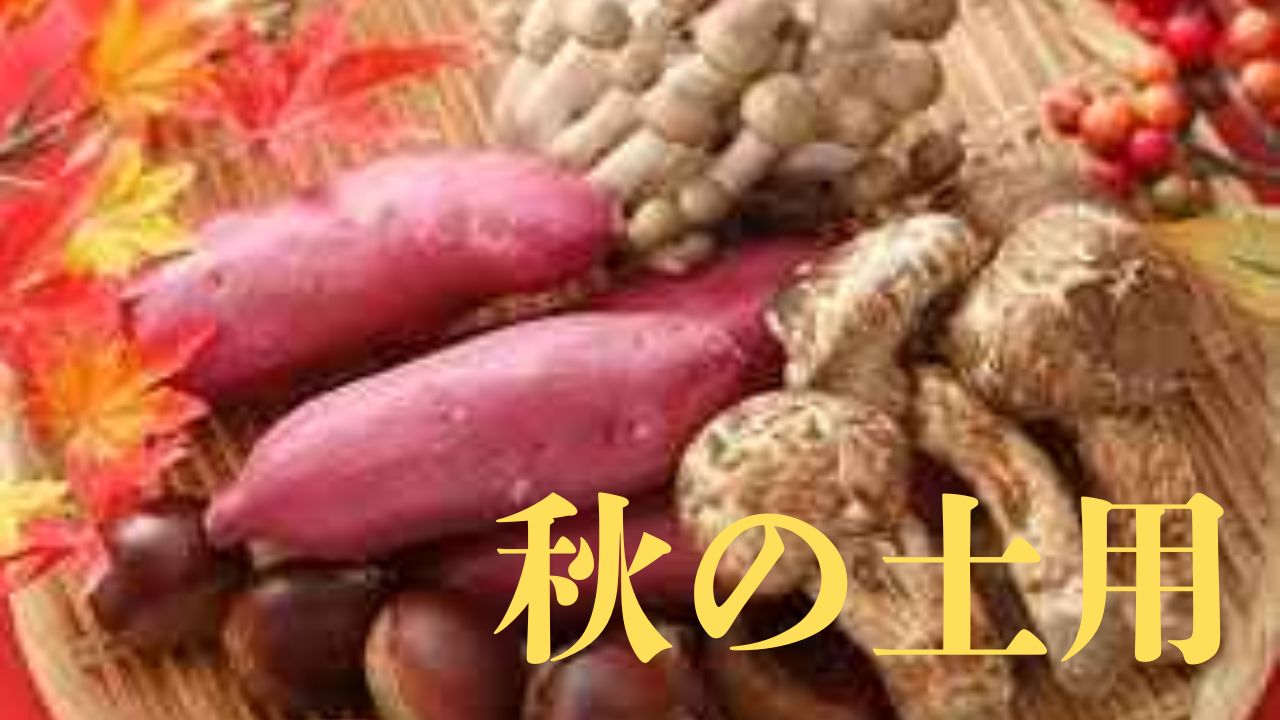
さつまいも、かぼちゃ、きのこ、里いも、れんこんなど、
旬の根菜類は胃腸をやさしく整え、免疫力を高めてくれます。
Eating seasonal food helps your body adjust to the new season.
(旬の食べ物を食べることで、体が次の季節に順応します。)
土用が教えてくれること
「土用」という言葉には、
自然のリズムに合わせて生きる日本人の知恵が込められています。
春夏秋冬をただの季節としてではなく、「変わり目もまた、ひとつの大切な時」として受け入れる姿勢です。
Doyo teaches us to live in harmony with nature.
(土用は、自然と調和して生きることを教えてくれます。)
秋の土用は、がんばりすぎた体と心をゆっくり休め、
冬に向けてエネルギーをためるための時間。
季節の変わり目に少し立ち止まり、
自分を整える日本の知恵として、改めて見直したい習慣です。
The Hidden Meaning of “Autumn Doyo” and How to Take Care of Yourself ―
Japan is famous for its four beautiful seasons, but did you know that there is also a “season between seasons”?
This special time is called “Doyo” (土用) — a traditional period when people prepare their mind and body for the next seasonal change.
Many people think of the Summer Doyo, when Japanese people eat eel (unagi) on the “Day of the Ox” to gain strength.
※”Day of the Ox.” In the old Japanese calendar, each day had an animal from the zodiac, The Day
of the Ox is one of them.
But in fact, there are four Doyo periods in a year — in spring, summer, autumn, and winter.
Each one has a unique meaning and role in maintaining balance with nature.
What Is “Doyo”?
“Doyo” comes from the ancient Chinese philosophy of the Five Elements (Wood, Fire, Earth, Metal, and Water).
These elements represent the natural energy that shapes the world and our bodies.
In Japan, Doyo means the 18 days between two seasons, when the energy of the Earth (“Do”) becomes strong.
It’s a time for transition, reflection, and preparation for what comes next.
In Japan, “Doyo” means the period between seasons.
Summer Doyo – The Most Famous One
The most well-known Doyo is the summer Doyo, which occurs before autumn begins.
It’s the hottest and most tiring time of the year, so people eat grilled eel to recover from the heat.
People in Japan eat eel on the “Day of the Ox” during summer Doyo.
This custom started in the Edo period and remains a beloved tradition today.
But summer isn’t the only Doyo — let’s take a look at Autumn Doyo, which has a gentler and quieter meaning.
Autumn Doyo – Time to Rest and Recharge
Autumn Doyo is the 18 days before winter begins.
In 2025, it falls roughly from October 20 to November 6.
The weather cools down, mornings and evenings become chilly, and our bodies feel the subtle stress of seasonal change.
That’s why this period is seen as a time to rest, recover, and protect your health.
Autumn Doyo is the time to rest and recover from summer fatigue.
In the past, people avoided big life changes during Doyo.
According to the Five Elements, Earth (Do) symbolizes stability and harmony, so it was thought best not to “disturb the soil” — literally or spiritually.
Traditional Advice for Doyo
During Doyo, it’s said to be wise to:
・Avoid moving or starting new projects
・Refrain from digging or construction work
・Eat light, easy-to-digest food
・Sleep early and keep a calm routine
During Doyo, it’s good to rest and avoid big changes.
This traditional wisdom sounds surprisingly modern — it’s similar to today’s idea of seasonal self-care.
What to Eat in Autumn Doyo
Just like eel for the summer Doyo, there are foods that support your health in autumn. Seasonal root vegetables such as sweet potatoes, pumpkins, taro, lotus root, and mushrooms warm the body and strengthen the immune system.
Eating seasonal food helps your body adjust to the new season.
The Meaning of Doyo – Living in Tune with Nature
The word “Doyo” carries the Japanese wisdom of living in rhythm with nature.
It teaches us that even the moments between seasons are precious times for reflection and balance.
Doyo teaches us to live in harmony with nature.
Take the Autumn Doyo as a reminder to pause, care for yourself, and prepare for the quiet strength of winter ahead.
This is one of Japan’s most beautiful lessons about how to live well — gently, mindfully, and in harmony with the changing world.
#Doyo #JapaneseCulture #AutumnDoyo #JapanSeasons #JapaneseTradition #SeasonalCare #MindfulLiving #FiveElements #JapanLifestyle
#土用 #秋の土用 #日本の四季 #和の暮らし #五行思想 #日本文化 #季節の養生 #セルフケア #自然と調和


コメント