日本の夏の風物詩・盆踊りの魅力と由来
日本の夏を代表する行事のひとつ「盆踊り」。浴衣を着て太鼓の音に合わせて踊る姿は、外国人観光客にとっても日本らしい光景のひとつです。
でも「盆踊りの由来は?」「盆踊りの意味は?」「盆踊りを英語で説明するには?」と聞かれると、意外と答えにくいもの。今回は盆踊りの由来・意味・地域性・英語での説明方法をまとめました。
盆踊りの由来 ― ご先祖さまを迎える踊り
「盆踊りの由来」は、約500年前の室町時代にさかのぼります。もともとは仏教行事の「盂蘭盆会(うらぼんえ)」が起源とされています。これは、ご先祖さまの霊を迎え、感謝を伝えるための行事でした。
その際、人々が集まり、太鼓や笛の音に合わせて踊ったのが「盆踊りの始まり」です。つまり、盆踊りの意味は「ご先祖さまを喜ばせるための供養の踊り」なのです。
“Bon Odori is a traditional Japanese dance performed during the Bon Festival, to honor and welcome the spirits of ancestors.”
盆踊りの意味 ― 踊ることが供養になる
「盆踊りの意味」は単なる娯楽ではありません。踊りそのものが「供養」であり、楽しみながら祓い清めて踊ることで、先祖を喜ばせると考えられてきました。輪になって踊ることで地域の一体感が生まれ、踊りの場はコミュニティの交流の中心となります。
“The meaning of Bon Odori is that dancing itself is an offering to the ancestors. The joy of dancing is a way to show gratitude.”
盆踊りと地域ごとの多様性
「盆踊り」は全国で見られますが、地域ごとに特色があります。代表的なのは「郡上おどり(岐阜)」と「阿波おどり(徳島)」です。
●郡上おどり:400年以上続く伝統。誰でも参加でき、30夜以上にわたり開催されます。
●阿波おどり:「踊る阿呆に見る阿呆」で知られ、世界中から観光客が集まる日本最大級の盆踊り。
このように「盆踊りの地域性」を知ることで、その土地の文化や歴史に触れることができます。
“There are many regional styles of Bon Odori. Gujo Odori in Gifu and Awa Odori in Tokushima are among the most famous.”
海外の人から「盆踊りって何?」と聞かれたとき、こう答えるとわかりやすいでしょう。
“Bon Odori is a Japanese traditional summer dance. Its origin is to honor the spirits of ancestors, but today it’s also a fun community festival where everyone can join.”
現代の盆踊り ― 国際交流の場へ
今日では「盆踊りの意味」は宗教的な側面にとどまらず、国際交流や観光のイベントとして広がっています。
日本国内の都市部では公園や商業施設で行われ、海外でも「Bon Odori Festival」が開催されるほど。マレーシア、ハワイ、アメリカなどでは数千人規模のイベントになっています。
“Today, Bon Odori is not only a religious event but also a summer festival. It has spread overseas, and Bon Odori festivals are held in many countries.”
盆踊りの由来は仏教の盂蘭盆会
盆踊りの意味は「先祖供養」+「地域の交流」
盆踊り 英語で説明するなら “Bon Odori is a traditional summer dance to honor ancestors, but today it’s also a joyful festival.”
盆踊りは「ご先祖を迎える踊り」から始まり、いまでは「地域と世界をつなぐ踊り」に広がっています。
次に夏祭りで輪に加わるときは、その歴史と意味を思い出しながら、ぜひ外国の方にも英語で説明してみてください。
盂蘭盆会(うらぼんえ):太陰暦7月15日を中心に7月13日から15日の4日間に行われる仏教行事。ご先祖様の魂を自宅にお迎えしてご供養するための行事で、お盆の正式名称。
Discover the meaning, history, and cultural significance of Bon Odori, Japan’s traditional summer dance festival. Learn why Japanese people dance during Obon, how it connects with ancestors, and where you can experience Bon Odori today.
What is Bon Odori?
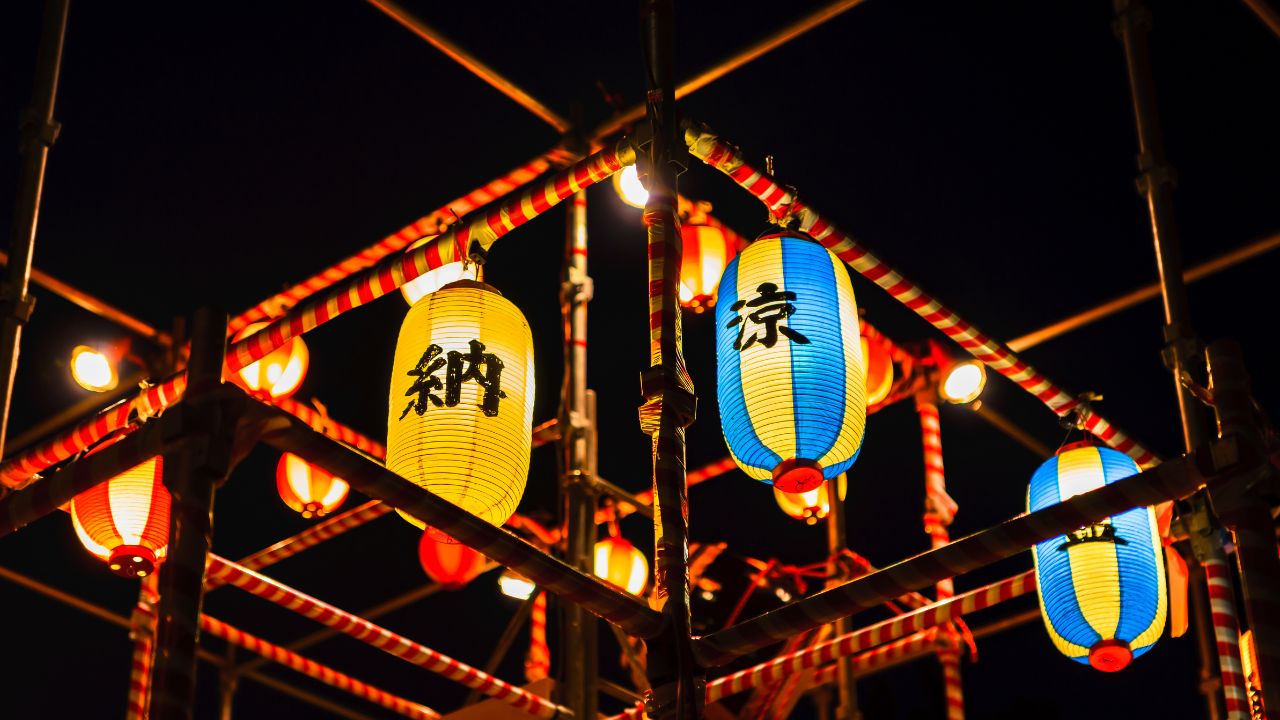
When summer arrives in Japan, you might hear the rhythmic sound of taiko drums echoing through neighborhoods, and see people dancing in circles around a raised platform called a yagura. This is Bon Odori (盆踊り), a traditional Japanese summer dance that has been celebrated for centuries.
Bon Odori is part of Obon (お盆), a Buddhist-inspired festival where people honor the spirits of their ancestors. While Obon is a time of prayer and remembrance, Bon Odori transforms this spiritual occasion into a lively community event filled with dance, music, and togetherness.
The Origins of Bon Odori
The word Bon Odori literally means “Bon dance”. It traces its origins to Buddhist rituals from over 500 years ago. According to tradition, the dance was performed to welcome ancestral spirits and express gratitude for their protection.
Over time, Bon Odori evolved from a purely religious practice into a cultural celebration. Each region of Japan developed its own unique dance style and accompanying music. For example:
Tokyo is known for Tokyo Ondo, a cheerful, easy-to-follow dance.
Kyoto features the Gozan no Okuribi festival with spectacular mountain bonfires after Bon Odori.
Tokushima is famous for Awa Odori, a large-scale and energetic version of Bon Odori that attracts visitors worldwide.
Why do Japanese people dance during Obon?
The dance is a symbolic gesture of welcoming the spirits of ancestors and celebrating life together with them. In many ways, Bon Odori is a form of communication between the living and the departed.
The movements are usually simple—raising hands, stepping sideways, or turning in unison—so that anyone, young or old, can join in. This accessibility reflects the spirit of community and inclusiveness.
When and Where is Bon Odori Held?
Traditionally, Obon is observed in mid-July according to the new calendar (Shinreki), or in mid-August following the old lunar calendar (Kyūreki). Most regions today celebrate in August, making it one of the highlights of Japanese summer.
Bon Odori takes place in temple grounds, local shrines, city parks, or even shopping streets. Lanterns are hung, food stalls line the streets, and the festive atmosphere invites everyone to join the circle dance.
Experiencing Bon Odori as a Visitor
For international visitors, Bon Odori offers a unique opportunity to immerse yourself in Japanese culture. Unlike some festivals that are mainly for watching, Bon Odori encourages participation.
You don’t need to know the steps in advance—just follow the people around you. Many communities welcome tourists warmly and even lend yukata (summer kimono) so you can fully experience the tradition.
Some popular Bon Odori festivals include:
・Tokyo’s Tsukiji Hongwanji Bon Odori – famous for its central location and vibrant atmosphere.
・Gujo Odori (Gifu Prefecture) – one of Japan’s longest-running Bon Odori, lasting over 30 nights.
・Awa Odori (Tokushima Prefecture) – the most energetic and internationally famous Bon Odori festival.
Bon Odori Today: Tradition Meets Modern Life
While Bon Odori has deep spiritual roots, today it also plays an important role in modern Japanese society. It strengthens community bonds, provides a space for families to gather, and offers a joyful break from the summer heat.
In recent years, Bon Odori festivals have even spread overseas, especially in communities with Japanese immigrants. Countries like Brazil, the United States, and Malaysia host Bon Odori events, showing how this Japanese tradition has become global.
Bon Odori is more than just a summer festival—it is a cultural bridge connecting the past and present, the living and the spirits, and even Japan with the wider world.
If you ever visit Japan in summer, don’t just watch Bon Odori—join the dance. By stepping into the circle, you’ll experience the heart of Japanese tradition: community, remembrance, and joy.


コメント