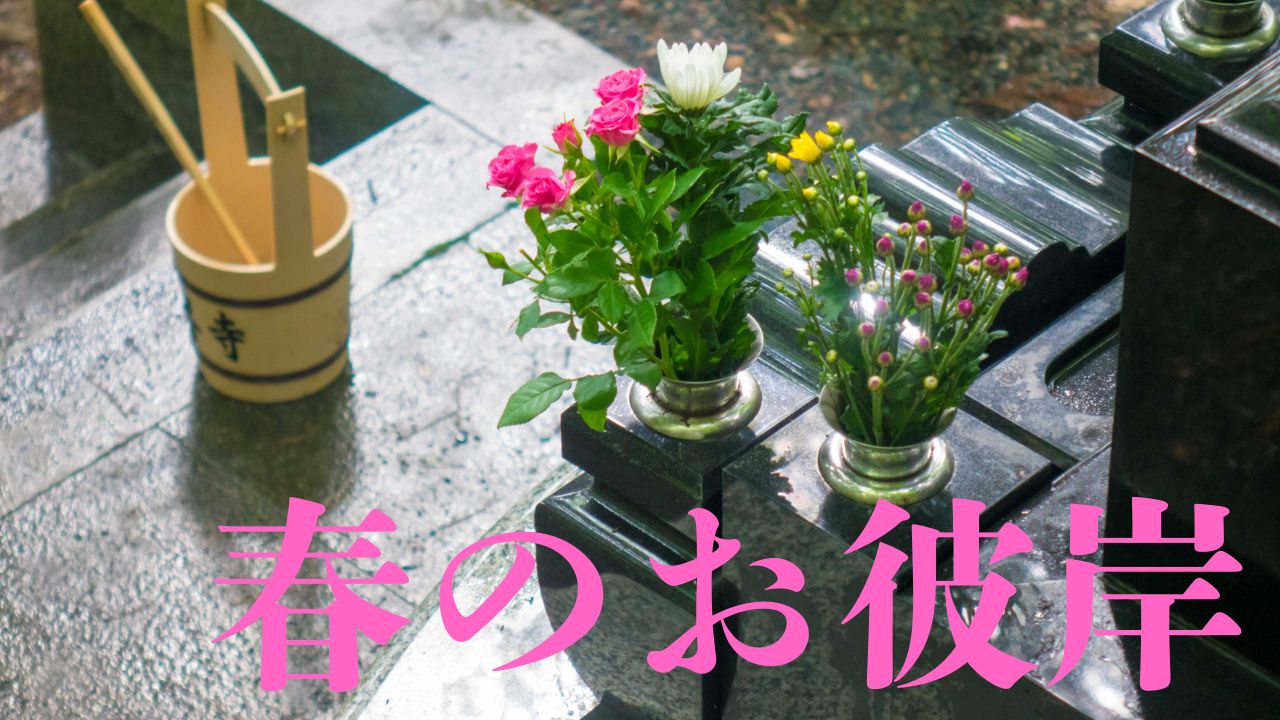
3月20日は春分の日。
お正月の頃に弱々しかった太陽の光もずいぶんと強くなってきました。
この春分の日、日本では「お彼岸(Ohigan)」という大切な時期が訪れます。
「暑さ寒さも彼岸まで」という言葉があるように、季節の大きな節目(Turning point)でもあります。
今回は、お彼岸の本来の意味と、日本人が大切にしてきた「ご先祖様との向き合い方」についてお話しします。
1. 「彼岸」とは、あちら側の岸のこと
「彼岸」という言葉には、仏教的な意味があります。私たちが生きているこの世界を「此岸(しがん)」、そしてご先祖様がいる悟りの世界を「彼岸(ひがん)」と呼びます。
春分の日は、太陽が真東から昇り、真西に沈みます。この「中道(真ん中)」を通る時期は、あちらの世界(The other side)とこちらの世界が最も通じやすくなると考えられてきました。
English Point!
「あの世」や「あちら側」は、英語ではシンプルに “the other side” や、精神的な文脈で “the spiritual realm” と表現します。
The spring equinox is believed to be the time when our world and the spiritual realm are most closely connected.春分の日は、こちらの世界(此岸)とあちらの世界(彼岸)が、一年で最も通じやすくなる時だと考えられています。
2. 日本人の「ご先祖様崇拝」は、対話と感謝
海外の方から見ると、お墓にお参りしたり、仏壇に手を合わせる姿は「先祖を崇拝している(Worshipping ancestors)」と映るかもしれません。
しかし、私たちにとってそれは、もっと身近で温かい「近況報告」や「感謝の対話」ではないでしょうか。
「おかげさまで、元気にしています」
「この4月から、新しい生活が始まりますよ」
そんな風に、目に見えない存在とつながり、自分のルーツを再確認する時間は、現代でいう「マインドフルネス(Mindfulness)」そのものです。
English Point!
「先祖崇拝」は直訳すると “ancestor worship” ですが、日本人の感覚としては “showing gratitude to ancestors”(先祖に感謝を示す)と言う方がしっくりきます。
For Japanese people, it’s less about “worshiping” and more about showing gratitude to ancestors and acknowledging our roots.
日本人が大切にしているのは、単なる「先祖崇拝」ではなく、命を繋いでくれた方々への「感謝」と、己の根源(ルーツ)を見つめ直すことです。
3. 「ぼたもち」に込められた願い
お彼岸に欠かせないのが「ぼたもち」です。春は「牡丹(ぼたん)」の花にちなんで「ぼたもち」と呼びます(秋は萩の花で「おはぎ」ですね)。
あずきの「赤色」には、ひな祭りの桃と同じように「魔除け」の力があると信じられてきました。ご先祖様にお供えしたものを、後で家族みんなでいただくことで、無病息災を願うのです。
English Point!
「魔除け」は以前も出てきた “drive away evil spirits” ですが、ここでは “ward off misfortune”(災いを取り除く)も使ってみましょう。
The red color of azuki beans is traditionally believed to ward off misfortune.
小豆の赤い色は、災いを取り除く、と昔から信じられています。
私たちが今、ここに存在しているのは、数え切れないほどのご先祖様のバトンがあったからです。お彼岸という習慣は、その「命のつながり」に気づかせてくれます。
「やまと英語」が目指すのは、単なる語学の習得ではありません。こうした日本独自の「おかげさま(I am what I am because of you)」の精神を、英語という道具を使って世界に伝えていくことです。
自分のルーツに誇りを持つことで、私たち自身が「日本人とは?」を語るのは、日本、日本文化に興味ある世界の人たちにとっても、話しを聞いてとても面白いことだと思うのです。
Ohigan: The Japanese Art of Connecting with Our Ancestors and Roots
March 20th marks the Spring Equinox. The sunlight, which felt weak around New Year’s, has grown significantly stronger. In Japan, this period is known as “Ohigan.” As the saying goes, “Atsusa samusa mo higan made” (Heat and cold last only until the equinox), this is a major turning point in our seasons.
March 20th marks the Spring Equinox. The sunlight, which felt weak around New Year’s, has grown significantly stronger.
In Japan, this period is known as “Ohigan.” As the saying goes, “Atsusa samusa mo higan made” (Heat and cold last only until the equinox), this is
a major turning point in our seaosons.
In this article, I’ll share the original meaning of Ohigan and the unique Japanese way of connecting with our ancestors.
1. “Higan”: The Other Side of the Shore
The word “Higan” has Buddhist roots. The world we live in is called “Shigan” (this shore), while the enlightened world where our ancestors reside is “Higan” (the other shore).
On the Spring Equinox, the sun rises exactly in the east and sets exactly in the west. Because the sun follows this “middle path,” it has long been believed that this is the time when our world and the spiritual realm are most closely connected.
English Point!
“Ano-yo” (the world beyond) can be simply called “the other side” in English, or more spiritually, “the spiritual realm.”
The spring equinox is believed to be the time when our world and the spiritual realm are most closely connected.
2. “Ancestor Worship”: A Dialogue of Gratitude
To people from other cultures, the sight of Japanese people visiting graves or praying at a Buddhist altar might look like “worshiping ancestors.” However, for us, it is something much closer and warmer—it’s more like a “progress report” or a “dialogue of gratitude.”
“Thanks to you, I am doing well.”
“A new chapter of my life begins this April.”
Connecting with invisible presence and reaffirming our roots in this way is essentially what we call “Mindfulness” today.
English Point!
While “ancestor worship” is the literal translation, for the Japanese heart, “showing gratitude to ancestors” feels much more natural.
For Japanese people, it’s less about “worshiping” and more about showing gratitude to ancestors and acknowledging our roots.
3. The Prayer Within “Botamochi”
“Botamochi” (sweet rice balls) is an essential part of Ohigan. In spring, they are named after the peony flower (Botan), while in autumn, they are called Ohagi after the bush clover (Hagi).
The red color of the azuki beans is believed to have the power to protect us, much like the peaches in the Hinamatsuri festival. By sharing the food we first offered to our ancestors, we pray for the health and well-being of our family.
English Point!
We can use “ward off misfortune” to describe the protective power of the color red.
The red color of azuki beans is traditionally believed to ward off misfortune.
The Spirit of “Okagesama”
We exist here today because of the countless “batons” passed down by our ancestors. The custom of Ohigan reminds us of this profound connection of life.
The goal of “Yamato English” is not just language acquisition. It is to use English as a tool to share this unique Japanese spirit of “Okagesama” (I am what I am because of you) with the world. When we take pride in our roots and speak about “Who are the Japanese?”, it becomes a fascinating and meaningful story for people all over the world who are interested in Japan.
#お彼岸
#春分の日
#おかげさま
#大人の英語学習
#日本文化を英語で
#Ohigan
#SpringEquinox
#JapaneseSpirituality
#Gratitude
#Ancestors

コメント