国旗制定記念日に考える「日の丸」
今日1月27日は「国旗制定記念日」。
1870年(明治3年)、日本の国旗が正式に定められた日とされています。
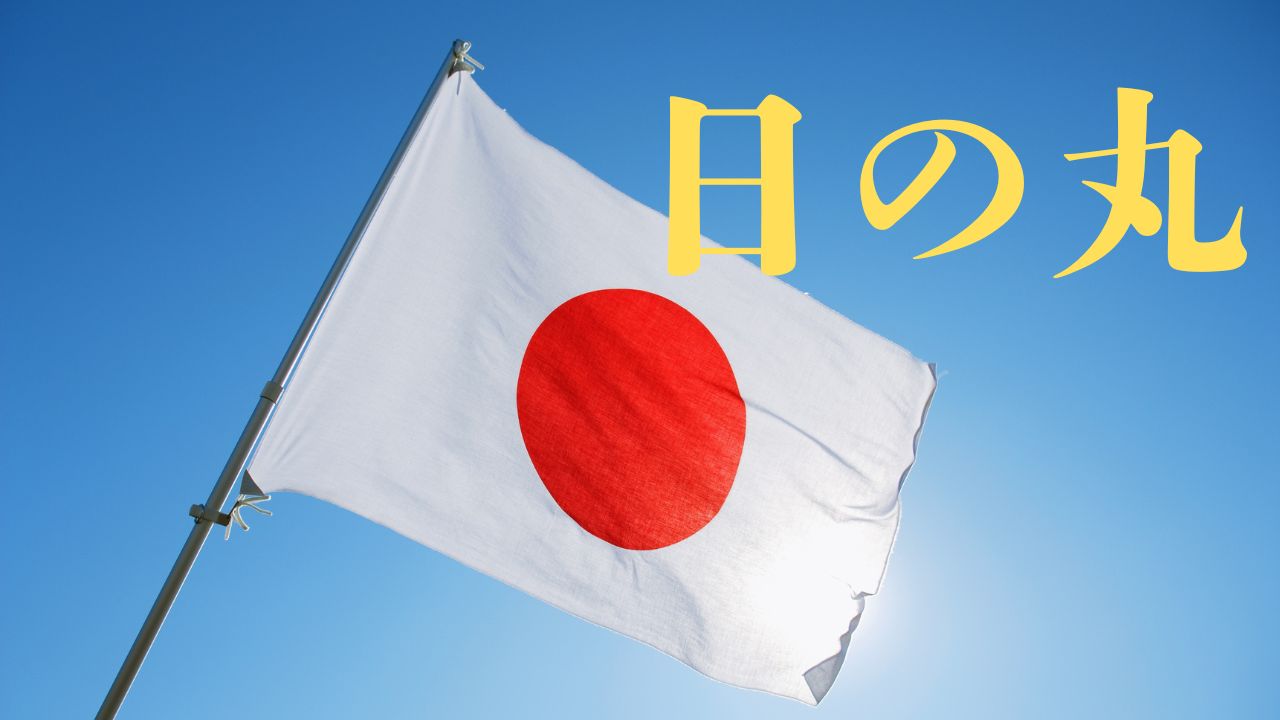
日本の国旗、白い地に、赤い円。
世界の国旗の中でも、これほどまでにシンプルで覚えやすいデザインは珍しいかもしれません。
けれど、このシンプルさこそが、日本という国の在り方を象徴しているように思います。
The Japanese flag is very simple.
A red circle on a white background.
日本の国旗はとてもシンプルです
The red circle means the sun.
The white color means purity and peace.
赤い円は太陽、白は清らかさと平和を表します
日の丸(日章旗)は「太陽」を表しています。
古くから日本は「日出づる国」と呼ばれ、
日の丸の赤は命の源である太陽であり、太陽は命を育み、
時を告げてすべてを照らす存在として昔から大切にされてきました。
白は清く純粋な神聖な精神を表現して、
太陽への感謝と平和な心を表しています。
また紅白は日本の伝統色で、めでたいことや神聖さの象徴です。
The red circle means the sun.
The white color means purity and peace.
赤い円は太陽、白は清らかさと平和を表します
Japan has long been known as “the Land of the Rising Sun.”
古くから日本は「日出づる国」として知られてきました
白地に赤い丸、 派手な装飾はなく、見たら印象に残る日本の国旗。
日本人が大切にしてきた「和」や「循環」、 自然とともに生きる感覚とも重なります。
Simplicity is an important value in Japanese culture.
シンプルさは、日本文化の大切な価値観です
The flag shows harmony, not power.
国旗は、力ではなく調和を表しています
実は、この日本の日の丸に似た国旗を持つ国がいくつか あるのを知っているでしょうか?。
その代表が、パラオとバングラデシュです。
パラオの国旗は、水色の地に黄色い円。
この円は「月」を表しています。
The Palau flag shows the moon in the sky. It represents peace and calm.
パラオの国旗の円は、平和と穏やかさを表す月です
パラオの国旗が日本の「日の丸」に似ているのは
日本はかつてパラオを委任統治していて
日本はインフラ整備、教育、産業発展に貢献していました。
この時代への敬意や友好の思いが国旗デザインに反映されたという説があります。
ですが単なる模倣ではありません。
太陽ではなく「月」を選んだ点に、 パラオ独自の価値観や自然観が表れています。
一方、バングラデシュの国旗は、緑の地に赤い円。
この赤い円は、独立のために流された血と、昇る太陽を象徴しています。
The red circle on the Bangladesh flag symbolizes sacrifice and hope.
赤い円は、犠牲と希望を象徴しています
The flag tells the story of the people.
この国旗は、人々の歴史を語っています
バングラデシュは、独立の父であるムジブル・ラフマンが
日本が農業国から工業国へ発展したことに魅了されて
日の丸を参考にデザインをしたと言われています。
緑は豊かな大地と自然。 赤い円は、未来への希望。
日本の日の丸と似た形でありながら、 そこに込められた意味は、その国の歴史そのものです。
日本文化では、 「何をするか」よりも「どう在るか」が重視されてきました。
Japan, how you live is more important than what you do.
日本では、何をするかより、どう生きるかが大切にされます。
国旗もまた、 国の力を誇示するためのものではなく、
その国が何を大切にしてきたかを、静かに示すものなのかもしれません。
A national flag shows a country’s values, not only its power.
国旗は、国の価値観を表すものです。
1月27日 国旗制定記念日
式典や祝日に目にする日本の日の丸。
そこから日本の文化や日本人の民族性、他国との関係性まで
見えてくるのはとても面白いことですね。
日の丸に込められた意味や、日本人の感覚、
それを英語で説明しようとすると、 言葉に詰まってしまう人も多いのではないでしょうか。
やまと英語では、 文化、習慣といった私たち生活の中の身近な題材を通して、 日本の在り方を「伝わる英語」で表現する力を育てていきます。
Thinking About the Japanese Flag on National Flag Day
What the Simple Red Circle Tells Us About Japan
January 27: Japan’s National Flag Day
Today, January 27, is National Flag Day in Japan.
It marks the day in 1870 (Meiji 3) when Japan’s national flag was officially established.
The Japanese flag is very simple.
A red circle on a white background.
Among national flags around the world, few designs are this simple and easy to remember.
Yet, this simplicity itself seems to represent the Japanese way of being.
The Meaning of the Hinomaru
The Japanese national flag is called Hinomaru, which means “circle of the sun.”
The red circle represents the sun.
The white background represents purity and peace.
Japan has long been known as “the Land of the Rising Sun.”
Since ancient times, the sun has been seen as the source of life — something that nurtures all living things, marks the passage of time, and shines equally on everyone.
The color white expresses a pure and sacred spirit, gratitude toward nature,
and a peaceful heart.
Red and white are also traditional Japanese colors, often used to symbolize celebration, happiness, and sacredness.
The Japanese flag represents the sun, life, and harmony.
There are no decorations or complex patterns on the flag.
Just one quiet red circle.
This reflects important values in Japanese culture such as harmony (wa), balance, and living in rhythm with nature.
In Japan, simplicity is not emptiness — it is meaning.
The flag shows harmony, not power.
Flags Similar to Japan’s: Palau and Bangladesh
Did you know that there are other countries with flags similar to Japan’s?
Two well-known examples are Palau and Bangladesh.
The Flag of Palau
Palau’s flag has a light blue background with a yellow circle.
This circle represents the moon, not the sun.
The moon symbolizes peace, calm, and balance.
Japan and Palau share a historical relationship.
During the early 20th century, Palau was under Japanese administration, and Japan contributed to infrastructure, education, and industrial development.
Out of respect and friendship, Japan’s flag design is said to have influenced Palau’s flag.
However, this was not simple imitation.
By choosing the moon instead of the sun, Palau expressed its own worldview and connection to nature.
The Palau flag represents peace and calm.
The Flag of Bangladesh.
The flag of Bangladesh features a red circle on a green background.
The red circle symbolizes the blood shed during the struggle for independence and the rising sun of hope.
Green represents the fertile land and rich nature of the country.
It is said that Sheikh Mujibur Rahman, the founding father of Bangladesh, was inspired by Japan’s development from an agricultural nation into an industrial one.
The Japanese flag influenced the design, but the meaning reflects Bangladesh’s own history.
The flag tells the story of the people.
“How You Live” Matters More Than “What You Do”
In Japanese culture, how you live has often been valued more than what you do.
National flags are not only symbols of power or authority.
They quietly show what a country values and how its people see the world.
A national flag shows a country’s values, not only its power.
Looking at the Hinomaru on National Flag Day
On January 27, when we see the Japanese flag at ceremonies or public spaces, we can learn more than just its design.
We can reflect on Japanese culture, national character, and even relationships with other countries.
The quiet red circle and the wide white space invite us to ask:
What kind of country do we live in?
What values do we inherit?
How do we face the world?
Expressing Japan to the World with Yamato English
The meaning behind the Hinomaru and the Japanese sense of values often fascinate people from other countries.
Yet many Japanese find it difficult to explain these ideas in English.
Yamato English helps learners express Japanese culture, traditions, and ways of thinking in clear and simple English — using familiar, everyday topics.
Through language, we learn not only to speak, but also to understand who we are.
#国旗制定記念日
#日の丸
#日本文化
#在り方を学ぶ
#やまと英語
#JapaneseFlag
#Hinomaru
#JapaneseCulture
#NationalFlagDay
#YamatoEnglish


コメント