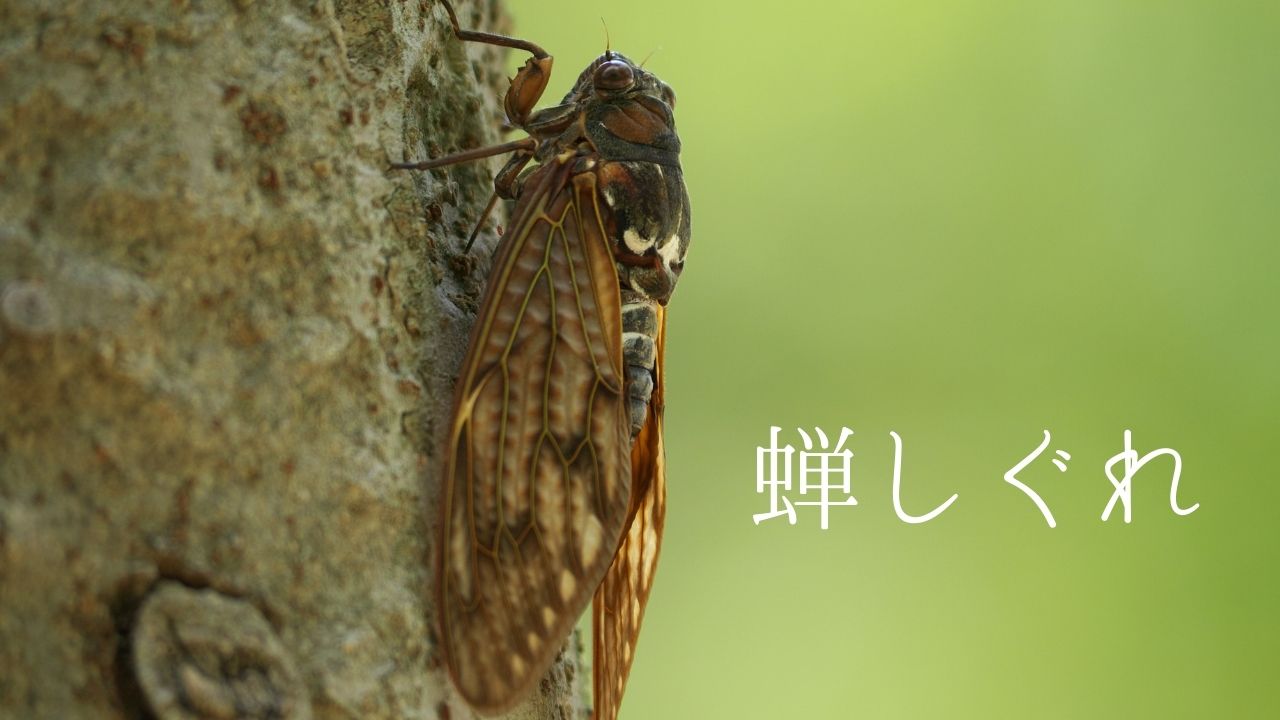
「蝉しぐれ」とは? 英語で伝える日本の夏の情緒
日本の夏を語るうえで欠かせない音といえば、「蝉(cicada)」の声です。特に、何千もの蝉が一斉に鳴き交わす様子を日本人は「蝉しぐれ(Semi-shigure)」と表現します。
「しぐれ」とは本来、秋や冬の一時的な通り雨を意味します。つまり「蝉しぐれ」とは、まるで雨が降り注ぐかのように、蝉の声が一斉に降りかかってくる情景を表した言葉です。この感性は、日本独自の自然観と深く結びついています。
蝉しぐれの文化的背景
蝉は日本の夏の象徴であり、短い命を精一杯生きる存在として古くから文学や詩に登場してきました。例えば、俳句や和歌の世界では「蝉の声=夏の情緒」として頻繁に詠まれています。蝉しぐれの表現には、次のような文化的な背景が込められています。
無常観(Impermanence):蝉の命の短さと声のはかなさ
自然と一体になる感覚:音そのものが「景色」をつくる
感覚の重なり(視覚×聴覚):まるで雨のように「降る」音のイメージ
こうした感性は、日本人の自然観や四季を大切にする心とつながっています。
「Semi-shigure」をそのまま英訳するのは非常に難しい表現です。
単純に “the sound of cicadas” や “chorus of cicadas” では、日本語がもつ「雨のように降り注ぐ」という比喩的なニュアンスが失われてしまいます。
例えば、海外の人に説明する場合は次のように表現できます。
Example Explanation in English:
“In Japanese, we have a poetic word ‘Semi-shigure.’ It literally means ‘a shower of cicadas.’ Just like a sudden rain shower, the sound of countless cicadas fills the air, almost as if the cries are falling from the sky. This expression reflects the Japanese sensitivity to nature and the fleeting beauty of life.”
このように、「直訳+文化的背景」を組み合わせて伝えると、海外の人にもニュアンスが伝わりやすくなります。
日本語は自然や季節を繊細に表現する言葉にあふれています。「木漏れ日」「夕凪」「山笑う」など、直訳が難しい言葉が多く存在します。その中でも「蝉しぐれ」は、夏の音そのものを「雨」にたとえたユニークな言葉です。
日本人は、ただ「聞く」のではなく、音を「浴びる」「包まれる」といった感覚で受け止めています。この「感覚を共有する言葉」こそ、日本語の美しさであり、英語学習者が触れることで新しい視点を得られる部分でもあります。
「蝉しぐれ(Semi-shigure)」は、日本独特の自然観と感性を表す美しい言葉です。
ただ「cicadas are loud in summer」と説明するだけではなく、「音が雨のように降る」という比喩を加えることで、日本語の豊かさを感じてもらえます。
What is “Semi-shigure”?
When summer arrives in Japan, it is not only the blazing sun and humid air that remind us of the season. There is also a sound—an endless chorus of cicadas—that fills every corner of the landscape. In Japanese, this sound has a special name: “semi-shigure” (蝉しぐれ).
Literally translated, semi means “cicada,” and shigure means “a light rain shower” in late autumn or early winter. By joining these two words, the Japanese language gives birth to an image: the sound of cicadas falling like countless raindrops, creating a soundscape that defines summer in Japan.
Why Semi-shigure Is More Than Just Noise
To many foreigners, cicadas may sound like a loud background buzz. But in Japan, semi-shigure carries seasonal, cultural, and emotional meaning. It is the voice of summer itself:
It marks the peak of the season, when the air is thick with heat.
It awakens memories of youth—long vacations, festivals, fireworks, and carefree afternoons.
It inspires poetry and literature, often symbolizing the fleeting nature of life.
Just as cherry blossoms embody spring, cicadas embody summer. This sensitivity to nature, expressed through words like semi-shigure, reveals the Japanese way of finding beauty even in something as ordinary as a sound.
How do you explain this to someone who has never experienced a Japanese summer?
English has no direct equivalent. Words like “cicada chorus” or “cicada symphony” can be used, but they lack the poetic imagery of rain showers.
“In Japan, we call the chorus of cicadas semi-shigure, which means ‘a rain shower of cicadas.’ It describes how their sound pours down like raindrops, creating a soundscape unique to Japanese summer.”
This explanation conveys both the literal meaning and the emotional resonance of the word.
A Sound That Defines a Season
When you walk through a Japanese temple garden in August or sit by the countryside rice fields, the sound of cicadas surrounds you, almost too overwhelming to ignore. And yet, instead of being considered noise, this sound has been elevated into a word of beauty—semi-shigure.
It reminds us that language is not only a tool for communication but also a mirror of cultural perception. For Japanese people, summer is not just seen or felt, but also heard.
Semi-shigure is more than just cicadas. It is a poetic soundscape, a bridge between nature and human feeling, and a word that captures the soul of Japanese summer. To experience it is to understand a small but profound piece of Japan’s cultural heart.


コメント