秋の夕暮れ、どこからともなく流れてくる香ばしい香り。
それは、秋の味覚「さんま」を焼いている香りです。
煙の向こうに、じゅうじゅうと音を立てながら焼かれるさんま。
その香りをかぐと、「あぁ、秋が来たな」と感じるのではないでしょうか。
さんま(秋刀魚)は、日本の秋を代表する魚です。
細長く、銀色に輝く姿はまるで刀のよう。
その名前も「秋に獲れる刀のような魚」からきているといわれています。
北海道から三陸沖にかけて漁が盛んで、9月から11月にかけてが旬の時期です。
脂がのって最もおいしい季節になると、スーパーの鮮魚売り場にも「新さんま」の文字が並びます。
Its long, silver body looks like a blade, and the name literally means “autumn sword.”(その刀のような身から「秋の刀の魚」という意味の名前がついています)
日本では古くから、季節の移ろいを食を通して感じ取る文化があります。
そのなかで、さんまは「秋の実り」と「自然の恵み」を象徴する存在。
古くは江戸時代から庶民に親しまれ、「落語・目黒のさんま」にも登場するほど、人々の暮らしに根づいた魚です。
Among many autumn foods, sanma (Pacific saury) is a symbol of nature’s blessings.Since the Edo period, sanma has been a popular fish for ordinary people.It even appears in a famous rakugo(落語)story called “Meguro no Sanma.”
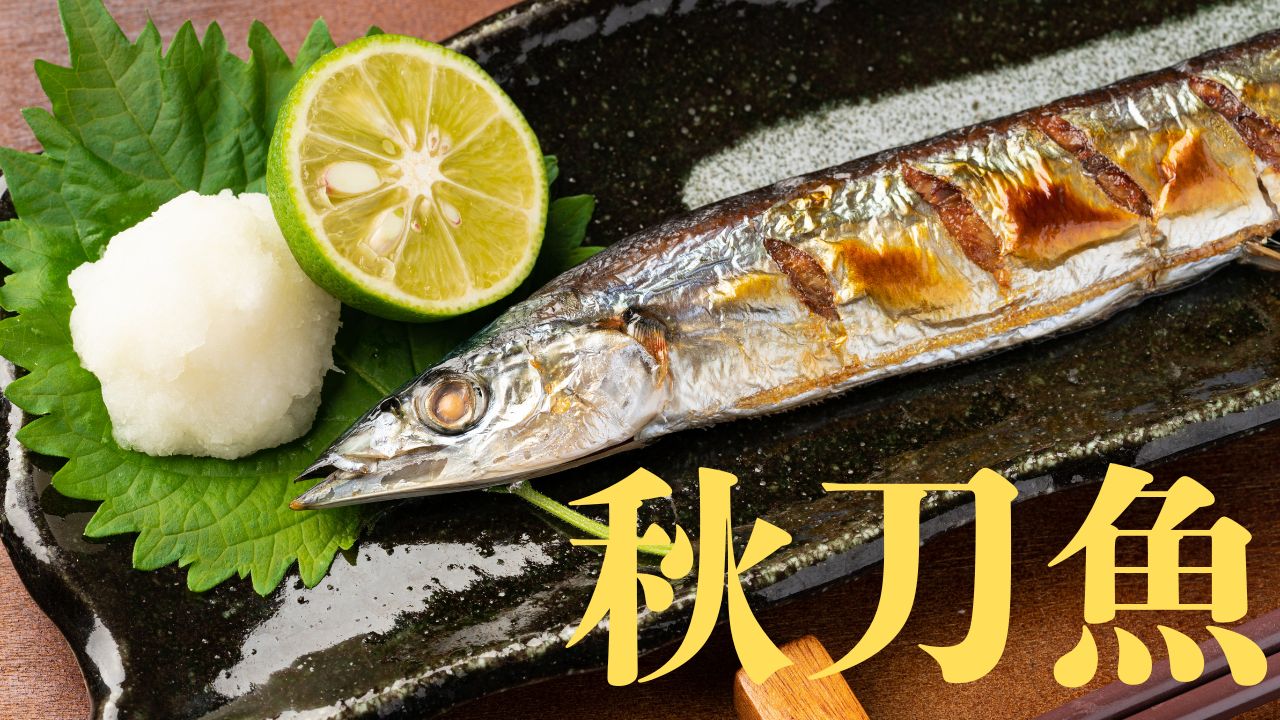
一番の食べ方は、やはり「塩焼き」です。
炭火でじっくり焼くと、皮はパリッと香ばしく、中はふっくらジューシー。
焼き立てのさんまに、すだちをキュッと絞り、大根おろしを添えて食べる――。
このシンプルな食べ方こそが、日本の秋の風物詩です。
お皿の上のさんまが、まるごと一匹、秋の恵みを感じさせてくれます。
“Grilled sanma with a touch of citrus and radish is the flavor of autumn in Japan.”(すだちと大根おろしを添えた焼きさんまは、日本の秋の味です。)
また、地域によっては「さんまごはん」や「さんまのつみれ汁」など、家庭の味としても楽しまれています。
最近では、刺身や寿司、パスタやアヒージョなど、和洋を問わずさまざまな料理にアレンジされるようになりました。
昔ながらの味を大切にしながら、新しい食べ方を生み出していくのも、日本の食文化の豊かさです。
一方で、近年は海水温の上昇などにより、さんまの漁獲量が減少していると言われています。そのため、「旬のさんまを味わえること」自体が、より貴重でありがたいものになりつつあります。
季節の恵みをいただくことの有難さを、改めて感じさせてくれる魚ともいえるでしょう。
“Eating sanma in autumn reminds us to appreciate nature’s gifts.”
(秋にさんまを食べることは、自然の恵みに感謝する心を思い出させてくれます。)
秋の夜、焼きさんまをおかずに炊きたてのごはんを食べる。
その香りと味わいには、どこか懐かしさと温かさがあります。
家族や友人と囲む食卓に、自然と笑顔が広がる――
そんな「さんまの季節」が、今年も日本の秋を彩ります。
『やまと英語』では、「日本や日本の文化を英語で紹介する」だけでなく、
その文化背景にあって、英語に訳すことの難しい「和の心」を英語で語れる
英語のスピーカーを養成します。
Taste of Autumn in Japan: Sanma, the Scent of the Season
When the air turns cool and the evening sky glows orange, a delicious smoky aroma begins to fill the streets of Japan.
It’s the smell of sanma—grilled Pacific saury.
For many Japanese people, this savory scent is the very sign that autumn has arrived.
Sanma, also called “autumn sword fish” in Japanese (written with the characters 秋刀魚), is one of Japan’s most beloved seasonal fish.
Its long, silver body looks like a blade, and the name literally means “autumn sword.”
Sanma is caught mainly along the northern Pacific coast of Japan, especially around Hokkaido and Sanriku, from September to November.
This is when the fish is at its best—rich, fatty, and full of flavor.
In Japan, people have a deep tradition of feeling the seasons through food.
Sanma represents both the blessings of the sea and gratitude for the harvest.
It has been loved since the Edo period (1603–1868) as an affordable, everyday food.
It even appears in the famous Japanese rakugo(落語) story “Meguro no Sanma”, showing how deeply it’s rooted in Japanese life.
The classic way to enjoy it is grilled with salt (shioyaki).
The skin becomes crispy, the meat stays soft and juicy, and the simple seasoning brings out its natural taste.
Squeeze a bit of sudachi (a Japanese citrus fruit) over the fish, add some grated daikon radish, and you have the perfect taste of autumn.
Different regions have their own ways of enjoying sanma.
In northern Japan, people make sanma rice, where grilled fish is mixed into rice, or sanma soup, made with vegetables.
Recently, you can even find sanma sashimi, sushi, pasta, and ajillo (garlic oil stew).
This mix of traditional and modern styles reflects Japan’s creativity and respect for seasonal food.
However, in recent years, sanma catches have been decreasing due to rising ocean temperatures and changes in currents.
That’s why people now appreciate even more the chance to enjoy freshly caught sanma—it reminds us that every seasonal ingredient is a gift from nature.
On a cool autumn night, eating grilled sanma with a bowl of hot rice brings a sense of comfort and nostalgia.
Families gather around the table, sharing laughter and the warmth of the season.
It’s not just about taste—it’s about connection, gratitude, and the joy of simple things.
If you visit Japan in autumn, follow the scent of grilled fish—it will lead you to the heart of Japanese autumn.
#Sanma #JapaneseFoodCulture #TasteOfAutumn #GrilledFish #SeasonalJapan
#秋の味覚 #さんま #日本の食文化 #焼き魚 #旬を楽しむ


コメント