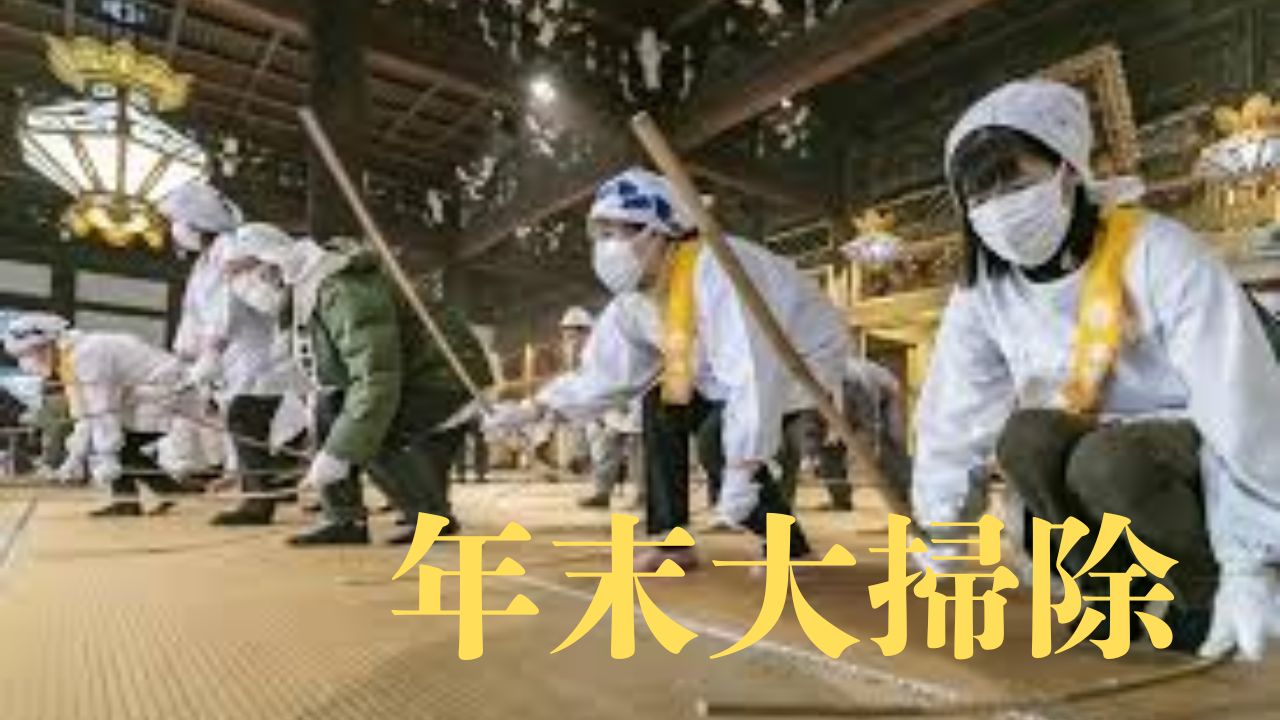
なぜ日本人は年末に「大掃除」をするのか ― きれいにするのは、家だけではない ―
12月の終わりが近づくと、日本では多くの家庭で「大掃除」をします。
普段はなかなか手をつけない場所まで掃除をし、不要なものを捨てる。
家の中をすっきりと整えます。
この年末の大掃除は、日本ではとても当たり前の光景です。
けれど、海外の人にこの話をすると、
「どうして年末に、そんなに大がかりな掃除をするの?」
と不思議そうに聞かれることがあります。
★ Why do Japanese people clean so much at the end of the year?
(なぜ日本人は年末にそんなに掃除をするの?)
多くの国では、掃除は日常的な家事のひとつです。
もちろん大掃除をする文化もありますが、
「年末だから必ずする」という感覚は、それほど一般的ではありません。
では、なぜ日本では年末に大掃除をするのでしょうか。
その背景には、日本人の「清め」の文化があります。
日本では昔から、汚れはホコリやゴミではなく、
目に見えない「穢れ(けがれ)邪気」と結びついて考えられてきました。
★ Cleaning in Japan is not only physical, but also spiritual.
(日本の掃除は、物理的なものだけでなく、精神的な意味もあります)
大掃除の起源は、「煤払い(すすはらい)」という神事にあるとも言われています。
年末に一年分の汚れを落とし、家を清めてから、
新しい年の神様である年神様を迎える準備をする。
それが、日本の年末の基本的な流れでした。
だからこそ、日本人は
「掃除を終えてから新年を迎えたい」
と自然に思うのです。
★ We clean our homes to welcome the New Year’s god.
(私たちは年神様を迎えるために家を掃除します)
大掃除は、ただ家をきれいにする作業ではありません。
一年間使った物に感謝し、
一年間の出来事を振り返り、
心の中も一度リセットする時間でもあります。
仕事納めをし、正月飾りを整え、大掃除を終える。
この一連の流れの中で、日本人は
「今年をきちんと終えた」
という感覚を大切にしてきました。
★ For Japanese people, cleaning is a way to reset the mind.
(日本人にとって、掃除は心をリセットする方法です)
海外の人から見ると、
「年が変わるだけなのに、なぜそこまでするの?」
と思われるかもしれません。
けれど日本人にとっては、
新しい年は、何も整えずに迎えてよいものではありません。
区切りをつけ、感謝をし、清めてから迎える。
そこに、日本人の丁寧な生き方が表れています。
忙しい現代でも、
年末になると自然と大掃除をしたくなるのは、
こうした感覚が、私たちの中に静かに受け継がれているからなのかもしれません。
★ Cleaning is a way to prepare for a new beginning.
(掃除は、新しい始まりの準備です)
大掃除は、日本人が
「目に見えないものを大切にする」
「区切りをつくって次へ進む」
そんな価値観を、暮らしの中で表している文化です。
日本の年末を知ると、
ただ忙しいだけではない、
意味のある時間を過ごしていることが伝わってきます。
私自身も以前は「あぁ!大掃除。面倒くさい!」と義務感を感じながら
していましたが、大掃除の意味を知ってから大掃除についての向き合い方が変わりました。
大掃除のように、
日本には「日本人には当たり前でも、言葉にしようとすると難しい文化」「海外の人からするとなぜ?と不思議に思うような文化」がたくさんあります。
掃除をする理由、
区切りを大切にする気持ち、
目に見えないものへの敬意。
こうした日本の価値観は、
単語を並べるだけでは、なかなか海外の人には伝わりません。
やまと英語講座では、
日本文化の背景にある考え方や精神性を整理しながら、
初心者でも使える、やさしい英語で説明する練習をしています。
英語を話せるようになることが目的ではなく、
「日本人として、何をどう伝えたいのか」を言葉にする講座です。
Why Do Japanese People Do “Osoji” at the End of the Year?
— Cleaning More Than Just the House —
As the end of December approaches, many Japanese families begin a tradition called “Osoji,” or year-end cleaning.
People clean not only the rooms they use every day, but also places they usually forget—behind furniture, inside closets, and high shelves.
Unnecessary items are thrown away, and the house is carefully organized.
For Japanese people, this is a very common scene at the end of the year.
But when people from other countries hear about this custom, they often ask:
Why do Japanese people clean so much at the end of the year?
In many countries, cleaning is part of daily life.
Some people do spring cleaning or occasional deep cleaning, but cleaning specifically because the year is ending is not very common.
So why is year-end cleaning so important in Japan?
Cleaning as “Purification” in Japanese Culture
The answer lies in Japan’s traditional idea of purification.
In Japan, dirt has not only meant dust or trash.
For a long time, it has also been connected to invisible things such as negative energy, bad luck, or spiritual impurity.
Because of this way of thinking, cleaning has been seen as more than a physical task.
Cleaning in Japan is not only physical, but also spiritual.
The origin of Osoji is often linked to an old ritual called “Susuharai” (soot sweeping).
At the end of the year, people cleaned their homes to remove the dirt of the past year and prepare to welcome Toshigami, the New Year’s god.
Preparing to Welcome the New Year’s God
In traditional Japanese belief, the New Year is not just a change of date.
It is a time when a new god comes to visit each home.
That is why people feel they should clean first.
We clean our homes to welcome the New Year’s god.
Cleaning before the New Year is a way of saying:
“Everything is ready. Please come in.”
Resetting the Mind, Not Just the Space
Osoji is not only about making the house look clean.
It is also a time to:
Thank the things that were used during the year
Look back on the past year
Let go of what is no longer needed
For many Japanese people, year-end cleaning is a way to reset the mind.
For Japanese people, cleaning is a way to reset the mind.
After finishing work for the year, putting up New Year decorations, and completing Osoji, people feel they have properly closed the year.
This sense of “closure” is very important in Japanese culture.
A Careful Way of Welcoming a New Beginning
From an outside perspective, people may think:
“It’s just a new year. Why go that far?”
But for Japanese people, a new year should not be welcomed casually.
The year should end with gratitude, order, and cleanliness.
Only then can a new beginning truly start.
Cleaning is a way to prepare for a new beginning.
Even today, many people naturally feel the urge to clean at the end of December.
This feeling may come from cultural values that have quietly been passed down through generations.
What Osoji Tells Us About Japan
Year-end cleaning shows important Japanese values:
Respect for invisible things
The importance of clear endings and new beginnings
Gratitude in everyday life
When you understand the meaning behind Osoji, Japan’s busy year-end season looks different.
It becomes a time full of intention, not just obligation.


コメント