秋分の日が近づくと、日本では「お彼岸」を迎えます。お彼岸は、春と秋の年に二度訪れる特別な時期で、昼と夜の長さが同じになる「春分の日」「秋分の日」を中日として、その前後三日間を合わせた七日間を指します。この期間は、仏教の考え方に基づき、ご先祖さまを供養し、感謝の気持ちを新たにする大切な行事です。
「彼岸」という言葉は、仏教用語で「向こう岸」を意味します。私たちが生きている世界は「此岸(しがん)」と呼ばれ、欲望や迷い、苦しみに満ちた世界とされています。これに対して「彼岸」は、悟りの世界、つまり苦しみから解放され安らぎと智慧に満ちた境地を表します。お彼岸は、この「彼岸」に近づこうとする修行の期間とも言われ、自分の心を整えるよい機会でもあります。
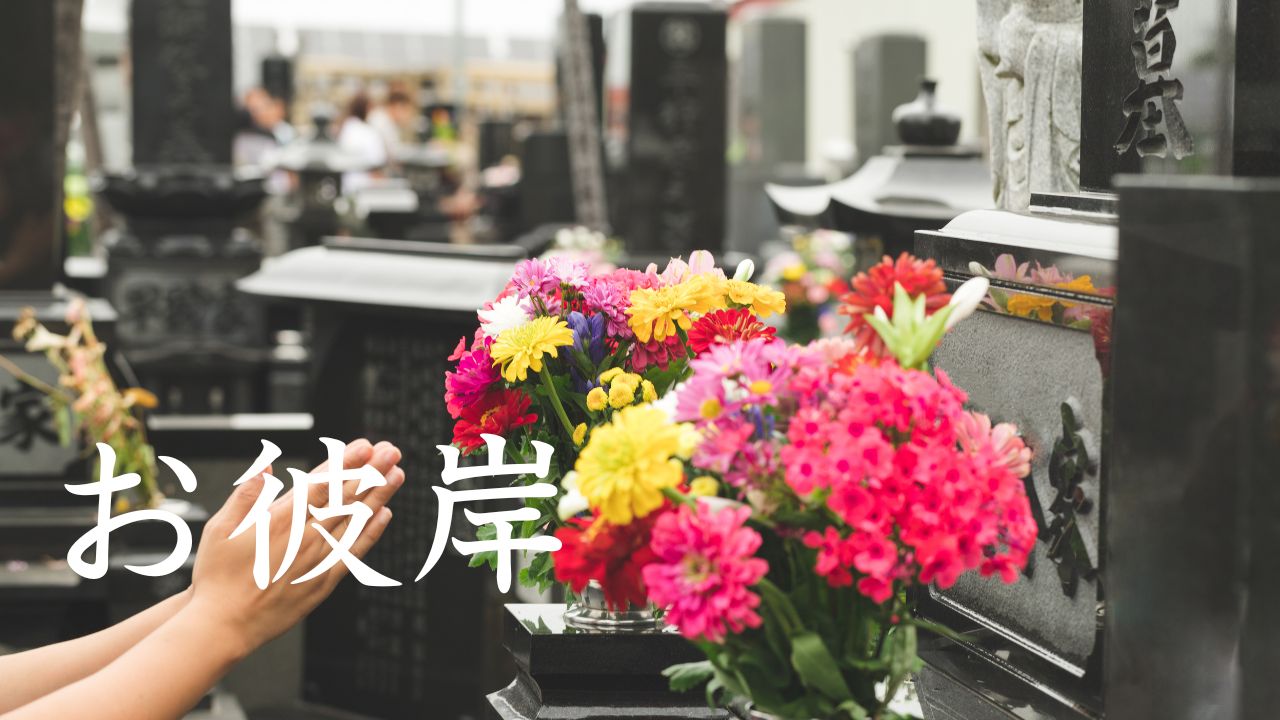
お彼岸の習慣として、私たち日本人はお墓参りをします。多くの人が家族そろってお墓へ行き、墓石を掃除して花やお線香を供え、静かに手を合わせます。「今ここに自分が生きているのは、ご先祖さまのおかげ」という感謝の気持ちをあらためて感じる時間です。日々の忙しさの中で忘れがちな「ありがとう」の気持ちを取り戻す。お彼岸はそんな大切な機会なのです。
また、お彼岸といえば欠かせないのが「おはぎ」です。おはぎは、もち米をつぶして丸め、あんこで包んだ甘味で、秋のお彼岸に食べるのが習わしです(春は「ぼたもち」と呼ばれることもあります)。あんこに使う小豆の赤い色は、昔から魔除けの力があると信じられてきました。そのため、おはぎをお供えし、家族みんなで食べることで、邪気を払う意味も込められているのです。
お彼岸の時期は、自然のバランスを感じられる特別なときでもあります。春分と秋分は、昼と夜の長さが同じになる日であり、太陽が真東から昇って真西に沈む日でもあります。仏教では、西の方角に阿弥陀如来がいる極楽浄土があるとされており、西に沈む夕日を拝むことは、浄土に思いをはせる行為でもあります。季節の変わり目に自然と向き合い、心を整えるお彼岸は、単なる宗教行事にとどまらず、日本人の自然観や死生観が表れた文化だと言えるでしょう。
現代では、都市部では核家族化が進み、昔ほど家族そろってお墓参りをする機会が少なくなったとも言われます。ですが、最近はオンライン墓参りサービスや永代供養といった新しい形も登場しており、形を変えながらも「先祖を大切にする心」は受け継がれています。また、コンビニや和菓子店でおはぎを手軽に買えるようになり、忙しい人でも季節の行事を楽しめるようになりました。
お彼岸は、ご先祖さまとの繋がりを感じながら、ご先祖さまへの感謝、自然との調和、そして自分自身を見つめ直す機会として、今後もずっと継承していきたい日本文化です。
What Is Ohigan?
Ohigan is a traditional Buddhist event in Japan, observed twice a year — during the spring and autumn equinox. It lasts for seven days: three days before the equinox, the equinox day itself, and three days after. During this period, Japanese families take time to honor their ancestors and reflect on life.
The word “Higan” (彼岸) means “the other shore.” In Buddhism, our world is called Shigan (此岸), “this shore,” which represents the world of suffering and desire. Higan symbolizes reaching enlightenment, a state of peace and wisdom. Ohigan is therefore seen as an opportunity to purify the mind and move closer to spiritual awakening.
Visiting Graves During Ohigan
One of the most common Ohigan customs is visiting family graves. Families clean the gravestones, offer flowers, incense, and food, and quietly join their hands in prayer. This practice is not only about ritual — it is a way to express gratitude and remember that we are here thanks to our ancestors.
Tip: If you are visiting Japan during Ohigan, you may notice more people at cemeteries and Buddhist temples.
Eating Ohagi (Sweet Rice Balls)
Ohigan is also associated with a special seasonal treat called ohagi, sweet rice balls covered with red bean paste. In spring, they are sometimes called botamochi. The red color of azuki beans has been believed to ward off evil spirits. Eating ohagi with family is both a way of honoring ancestors and celebrating the season.
A Time of Balance and Reflection
The equinox is a special time when day and night are of equal length. On these days, the sun rises exactly in the east and sets exactly in the west. In Buddhism, the Pure Land of Amida Buddha is believed to lie in the west, so watching the sunset during Ohigan has symbolic meaning — it is a moment to think about peace and paradise.
Ohigan in Modern Japan
Today, even with busy lifestyles and urbanization, Ohigan remains an important tradition. Some people use online grave visit services or rely on perpetual memorial services. Convenience stores and traditional sweet shops sell ohagi, making it easy for anyone to take part in the custom.
Why Ohigan Matters
Ohigan is more than a religious ritual — it is a time to feel connected to nature, to reflect on life, and to show gratitude to those who came before us. It bridges past, present, and future, reminding people of the importance of harmony and family ties.


コメント