まだまだ暑い毎日ですが…
月も変わって、季節は秋に向かっていますね。
自然豊かな日本では、山や自然の景色が変わっていくのを楽しめます。
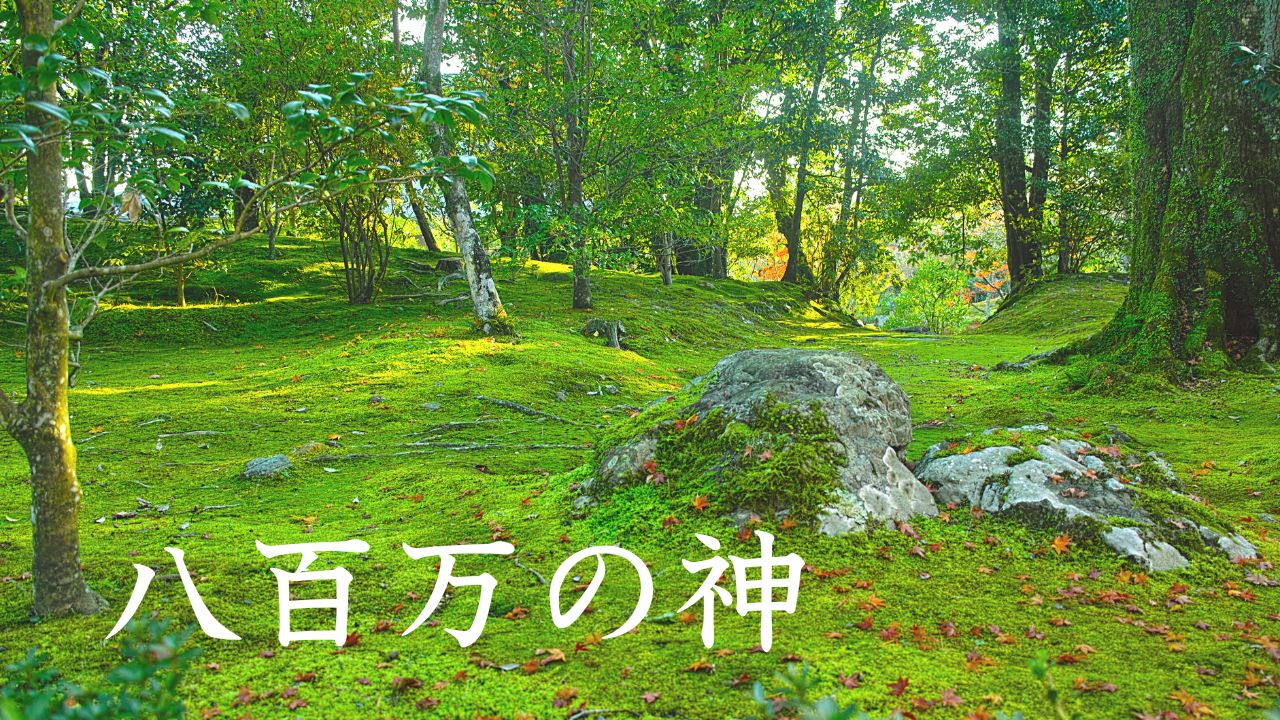
日本には「八百万(やおろずのかみ)」という言葉があります。
山、川、風、火 - 自然のすべてに神が宿るという感覚は、私たちにとっては自然なもの。
でも海外の人にとっては、とてもユニークで驚かれることも多い考え方であり、文化です。
では、世界の人たち(特に西洋)が考える「神」との捉え方、神観の違いは何か?
私たちの文化を英語でどう伝えられるかを考えてみます。
この自然、モノ、場所、さらには人の心にも神が宿るという「八百万の神」という考え方。この感覚は「アニミズム(animism)」とも言われ、日本人の自然観や死生観の根底にあります。
・山には山の神
・火には火の神
・台所には台所の神
これはすべて「見えない存在」への敬意と感謝から生まれた感性です。
神道に特有の神観は、善悪を裁く神ではなく、ともに生きる存在としての神。
神さまは完璧ではなく、人間のようにときに失敗したり、怒ったり、助けてくれる親しみのある存在です。
一方で、キリスト教やイスラム今日、ユダヤ今日の「一神教」では、唯一の神がすべてを創り、支配し、人間はその神の下にある存在という考え方が基本です。
その神は全知全能で絶対的に善。
人は「信じる / 信じない」で信仰の有無が問われ、道徳や生き方の基準もその教えに従います。
教会や礼拝、聖書などが信仰生活の中心にあり、宗教は“信条”として生活に深く関わっています。
このように、日本の神は「感じるもの」、西洋の神は「信じるもの」といえるかもしれません。
外国の方に説明するときは、以下のような表現が役立ちます
●In Japanese culture, there are countless gods – not one almighty god but many spirits in nature, places, and even objects.
●This belief reflects an animistic worldview, where everything in nature is alive and sacred.
●Unlike monotheistic religions that believe in one God, Japanese spirituality sees the divine in many forms, often without strict doctrine or holy books.
●It’s more about sensing and respecting the presence of invisible forces than following religious rules.
このように伝えると、日本人の感覚がより相手に伝わります。
「八百万の神」は、私たち日本人が自然や命を大切にする心そのもの。
そしてそれは、世界中の人々にとっても学びのヒントになる豊かな感性です。
「八百万の神」だからと言って、eight million godsと訳したところで伝わらない。
その意味をどう伝えるか?伝わるか?も英語学習者にとっては楽しいところなのではないでしょうか。
「やまと英語」では、ただ英語で日本を紹介、案内するのではなく、こうした背景にある「和の心」を海外に伝える英語力を育てる、英語のスピーカーを育成していきます。
The Concept of “Yaoyorozu no Kami” – Eight Million Gods in Japan
In Japan, there is a phrase “Yaoyorozu no Kami” (八百万の神), which means “eight million gods.”
It expresses the idea that divine spirits dwell in everything—mountains, rivers, the wind, fire, even within people’s hearts.
For Japanese people, this feels natural, but for many from outside Japan—especially those from Western traditions—this way of thinking is both unique and surprising.
Animism in Japanese Spirituality
This worldview is often described as animism—the belief that everything in nature is alive and sacred.
There is a god of the mountains.
A god of fire.
Even a god of the kitchen.
Such beliefs come from gratitude and respect for unseen forces, rather than fear of judgment.
In Shinto, the traditional spirituality of Japan, gods are not perfect beings who punish or reward. Instead, they are companions in life—sometimes kind, sometimes mischievous, sometimes even making mistakes, just like humans.
Contrast with Monotheistic Religions
In contrast, monotheistic religions such as Christianity, Islam, and Judaism center on the idea of one almighty God.
This God created everything and rules over humanity.
He is all-knowing, all-powerful, and absolutely good.
Faith is about believing or not believing, and moral life is guided by scripture and doctrine.
Worship often happens in churches, mosques, or synagogues, with holy books as the foundation of religious life.
Feeling vs. Believing
So we might say:
In Japan, God is something you feel in nature and daily life. In the West, God is someone you believe in through faith and teachings.
When sharing this concept with others, you can use expressions like:
In Japanese culture, there are countless gods – not one almighty god but many spirits in nature, places, and even objects.
This belief reflects an animistic worldview, where everything in nature is alive and sacred.
Unlike monotheistic religions that believe in one God, Japanese spirituality sees the divine in many forms, often without strict doctrine or holy books.
It’s more about sensing and respecting the presence of invisible forces than following religious rules.
A Message to the World
The idea of “Yaoyorozu no Kami” reflects the Japanese spirit of respecting nature and valuing life itself.
It offers a perspective that people around the world can learn from: a way of living with gratitude, awareness, and harmony with the unseen.
When do you feel the presence of something greater?
And how would you express that feeling in your own words?
#日本の精神文化 #神道の世界 #自然とともに生きる #和の心
#YaoyorozuNoKami #JapaneseSpirituality #AnimismInJapan #NatureAndTheDivine #WayOfHarmony


コメント