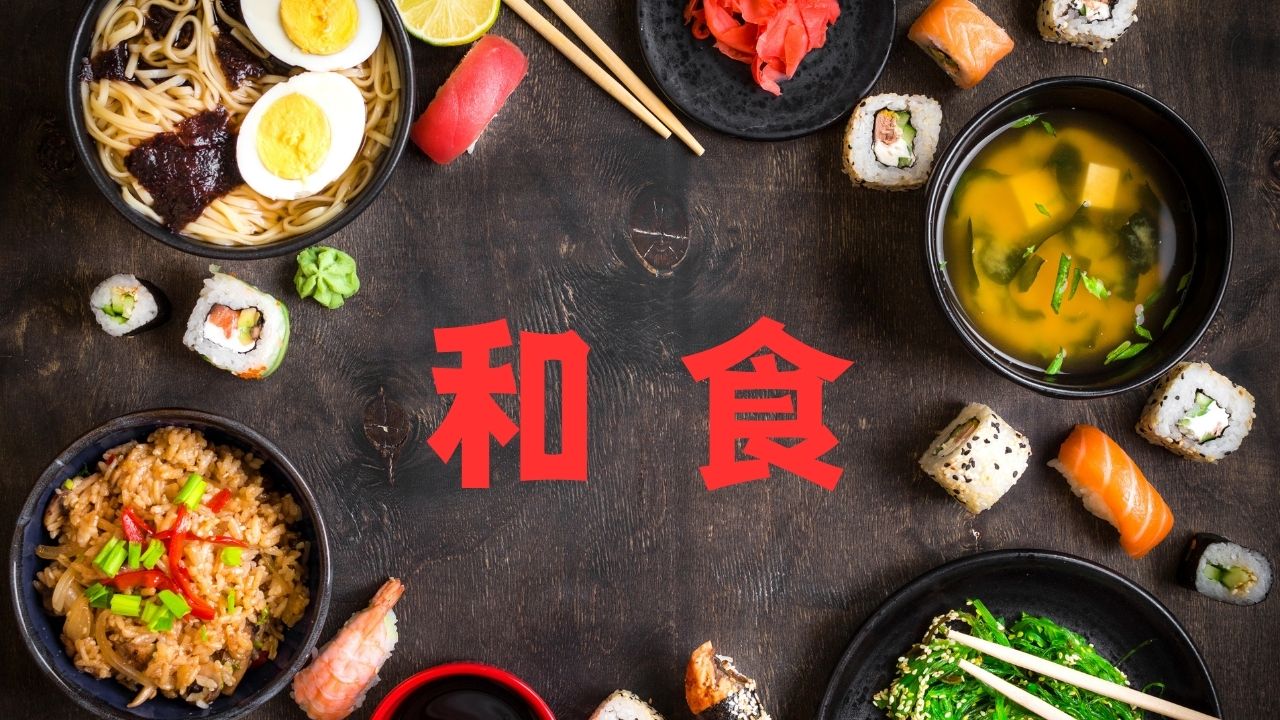
旅行の楽しみのひとつは、その国の食事。日本を訪れる外国人観光客にとっても、日本に来て楽しみなことのひとつが「和食」でしょう。お寿司や天ぷら、ラーメンなどは世界中で知られていますが、実は和食の魅力は単なる味の良さだけではありません。日本人は食の中にも自然観や四季、人と人とのつながりをずっと大切にしてきました。。
Washoku is more than just Japanese food. It is a way of seeing nature, seasons, and human connection through meals.
和食の大きな特徴の一つは、四季を食に盛り込むことです。
春には桜をイメージした料理、夏には涼しげなそうめん、秋には松茸ご飯、冬には鍋料理。旬の食材そのものが「季節を告げる存在」として、日本人の生活に彩りを与えています。
例えば、春に登場する「筍(たけのこ)」は、新しい生命の芽吹きを象徴します。秋のサンマは、季節の移ろいを知らせる代表的な魚。こうした旬の食材を味わうことは、単に栄養をとるだけではなく、自然のリズムと共に生きる日本人の感覚を育んできました。
Washoku reflects the four seasons. Ingredients change with nature, and people enjoy food as a sign of time passing.
和食の魅力を語る上で欠かせないのが「五味・五色・五法」という考え方です。五味とは甘味・酸味・塩味・苦味・旨味。五色とは白・黒・赤・黄・緑。五法とは生・煮る・焼く・蒸す・揚げる、の五つの調理法。
これらをバランスよく取り入れることで、栄養が偏らないだけでなく、目にも美しく、飽きのこない食卓が完成します。和食は健康的であると同時に「目で食べる」楽しさを持っているのです。
In Washoku, balance is key: five tastes, five colors, and five cooking methods. This creates harmony in both health and beauty.
和食をいただくとき、多くの外国人が不思議だなと思うのが「いただきます」と「ごちそうさま」という言葉でしょう。食事の前後に必ず言うこの挨拶には、食材や作ってくれた人への感謝の心が込められています。
また、和食の盛り付けや器選びも「おもてなしの心」の表れです。器の形や色、料理の配置は、食べる人が目で、舌で食事を楽しんでもらえるようように計算されています。作る人が食べる人のことを思って調理をする、盛り付けをする、日本のおもてなし文化です。
Washoku is not only about eating. It is also about gratitude, respect, and hospitality.
2013年、ユネスコは「和食;日本人の伝統的な食文化」を無形文化遺産に登録しました。和食が世界に認められた理由は、健康的で美しいだけでなく、自然と人間の共生を体現しているからです。
最近では、ヴィーガンやベジタリアン向けにアレンジされた和食も増え、海外でも親しまれるようになっています。寿司や味噌汁だけでなく、精進料理や発酵食品など、和食の魅力はまだまだ世界に広がりそうです。
Washoku has been recognized as UNESCO Intangible Cultural Heritage. It teaches harmony between people and nature.
和食は、単なる料理ではありません。それは四季を感じ、自然に感謝し、人と人をつなぐ文化そのものです。旬の食材を取り入れた日々の食事、一年を通じて祝う節句、お客さまをおもてなしする食事、家族や友人たちとの時間は人生を豊かにしてくれます。
外国の人に説明するときには、こう言うとよいでしょう。
“Washoku is not only Japanese food. It is a culture of harmony, nature, and respect.”
和食の一皿には、日本人の心が込められています。それを味わうことは、日本文化を体験することそのものなのです。
「やまと英語」では、ただ英語で日本を案内するだけでなく、こうした『和の心』を海外に伝える英語力を育てていきます。
One of the greatest joys of traveling is tasting local food. For visitors to Japan, experiencing Washoku (traditional Japanese cuisine) is always at the top of the list. While sushi, tempura, and ramen are well-known worldwide, the true charm of Washoku lies not only in its flavor but also in its deep connection to nature, seasons, and human relationships.
Washoku is more than food—it is a way of seeing life, harmony, and respect through meals.
Washoku and four seasons
One of the unique features of Japanese cuisine is the way it reflects the four seasons. Dishes change according to seasonal ingredients: cherry blossom-themed meals in spring, refreshing somen noodles in summer, matsutake rice in autumn, and warming hot pot in winter.
For example, bamboo shoots in spring symbolize new life, while grilled pacific saury (sanma) in autumn announces the arrival of the season. Enjoying these foods is not just about nutrition—it is about living in rhythm with nature.
Washoku reflects the seasons. Ingredients themselves become symbols of time passing and cultural connection.
The Philosophy of Balance: Five Tastes, Five Colors, Five Methods
Another key to Washoku’s beauty is the philosophy of balance:
Five tastes: sweet, sour, salty, bitter, umami
Five colors: white, black, red, yellow, green
Five methods: raw, simmered, grilled, steamed, fried
When these are balanced, meals become both nutritious and visually appealing. Washoku is known as healthy cuisine, but it is also an art form where people “eat with their eyes” as much as with their taste buds.
In Washoku, harmony in taste, color, and method creates both health and beauty.
Gratitude and Hospitality in Japanese Food Culture
Foreign visitors are often surprised by the Japanese custom of saying “Itadakimasu” before meals and “Gochisousama” after. These words express gratitude—not only to the cook but also to nature and the ingredients themselves.
Presentation also plays a central role in Washoku. Tableware, arrangement, and seasonal motifs are carefully chosen to delight the guest. This reflects Japan’s deep culture of hospitality (omotenashi), where preparing a meal is an act of respect and care.
Washoku is not just about eating. It is about gratitude, respect, and hospitality.
Washoku as UNESCO Cultural Heritage
In 2013, Washoku: Traditional Dietary Cultures of the Japanese was recognized as a UNESCO Intangible Cultural Heritage. This global recognition highlighted not only the health benefits and aesthetics of Washoku but also its philosophy of harmony between people and nature.
Today, Washoku continues to evolve. Vegan and vegetarian-friendly dishes, temple cuisine (shojin ryori), and fermented foods like miso and natto are gaining popularity worldwide. The appeal of Washoku is expanding far beyond sushi and miso soup.
Washoku teaches harmony, sustainability, and respect—values that resonate globally.
Washoku: More Than Just Food
Washoku is not merely about what we eat. It is about feeling the seasons, appreciating nature, and strengtening human connection. From seasonal family meals to celebratory dishes during festivals, Washoku enriches daily life in countless ways.
When explaining to international visitors, you might say:
“Washoku is not only Japanese food. It is a culture of harmony, nature, and respect.”
Each dish in Washoku carries the heart of Japanese culture. To taste Washoku is to experience the essence of Japan itself.
#和食の魅力 #日本の食文化 #四季と食 #健康食和食 #日本の伝統料理
#Washoku #JapaneseCuisine #TraditionalJapaneseFood #HealthyEatingJapan #TasteOfJapan


コメント