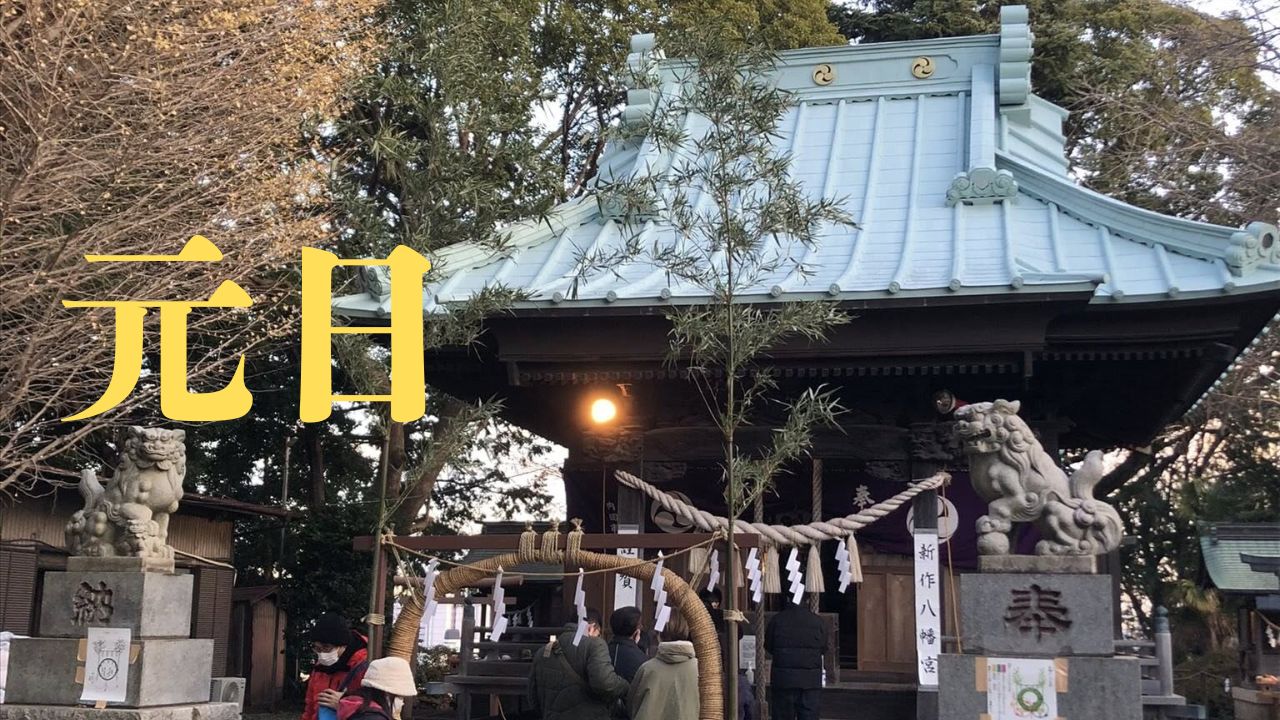
なぜ日本人にとって「元日」は特別なのか ― 新しく生まれ変わる日としての一日 ―
1月1日、元日。
日本人にとってこの日は、ただの「年が変わる日」ではありません。
一年の中でも、とりわけ特別で神聖な意味を持つ日です。
海外の人に
「What is New Year’s Day like in Japan?」
と聞かれると、日本人は少し考えてしまうかもしれません。
なぜなら、日本の元日は「何かをする日」というより、
“どう迎えるか”を大切にする日だからです。
★ January 1st is a very special day for Japanese people.
(1月1日は、日本人にとってとても特別な日です)
多くの国では、新年はカウントダウンパーティーや花火など、
にぎやかなイベントの延長として始まるようです。
夜遅くまで騒ぎ、年が変わった瞬間を祝う文化も一般的です。
一方、最近は変わりつつありますが日本の元日はとても静かです。
街は落ち着き、お店は閉まり、
人々は家族と過ごしたり、神社やお寺へ初詣に出かけます。
この「静けさ」に、外国の人はよく驚きます。
★ New Year’s Day in Japan is calm and quiet.
(日本の元日は、静かで落ち着いた日です)
日本人は昔から、元日を
「すべてが新しく始まる日」
だと考えてきました。
年が新しくなるだけでなく、
心も、暮らしも、人も、
一度まっさらになり、新しく生まれ変わる日。
そんな感覚が、日本人の中に深く根づいています。
だから元日には、
怒らないようにする
争いごとを避ける
できるだけ穏やかに過ごす
といった意識が、自然と生まれて家庭の中で継承されています。
★ In Japan, the New Year is a time to start fresh.
(日本では、新年は新しく始める時間です)
元日は、年神様という新しい年の神様を迎える日でもあります。
正月飾りを整え、家を清め、
「どうぞ今年もお守りください」という気持ちで新年を迎える。
そのため、元日は日本人にとって一年で一番特別な日なのです。。
食事、言葉づかい、過ごし方。
すべてに少しだけ、特別な気持ちが込められます。
この感覚は、日本人自身が意識していなくても、
自然と受け継いでいるものかもしれません。
★ New Year’s Day is considered as a sacred day in Japan.
(元日は、日本では神聖な日と考えられています)
海外の人から見ると、
「Why are Japanese people so careful on January 1st?」
「It’s just another day, right?」
と不思議に思われることもあります。
けれど日本人にとって元日は、
一年の流れを決める、大切なスタートの日。
元日をどう迎えるかが、
その年をどう生きるかにつながっている。
そんな考え方が、今も静かに息づいています。
★ How you spend New Year’s Day sets the tone for the year.
(元日の過ごし方は、その一年の流れを決めます)
騒ぐより、整える。
始める前に、まず心を静める。
元日は、日本人の精神性が最もよく表れる日と言えるでしょう。
日本のお正月や元日を知ることは、
日本人が「目に見えないもの」をどれほど大切にしてきたかを
知ることでもあります。
外国の人にとっては少し不思議で、
でも知れば知るほど、興味深い文化なのです。
元日のように、
日本には「日本人には当たり前だけれど、
外国の人には説明が必要な文化」がたくさんあります。
なぜ元日は静かに過ごすのか。
なぜ「新しく生まれ変わる」と考えるのか。
なぜ、ただの休日ではなく、神聖な一日として大切にしているのか。
こうした日本の考え方や精神性は、
単語を英語に置き換えるだけでは、なかなか伝わりません。
背景にある価値観や感覚ごと、言葉にする必要があります。
やまと英語講座では、
元日やお正月、年神様といった日本独自の文化を題材に、
英語が得意でなくても使える、やさしい英語で
「相手に伝わる説明」を練習しています。
英語を話せるようになることが目的ではなく、
日本人として、何をどう伝えたいのかを整理すること。
海外の人から
「That’s interesting. I didn’t know that about Japan.」
と言われるような、
日本の文化の伝え方を、一緒に身につけてみませんか。
Why New Year’s Day Is So Special for Japanese People
— A Day to Be Reborn and Start Again —
January 1st, New Year’s Day, is not just “the day the year changes” in Japan.
For Japanese people, it is one of the most important and sacred days of the entire year.
When foreigners ask,
“What is New Year’s Day like in Japan?”
many Japanese people pause for a moment before answering.
That is because New Year’s Day in Japan is not about doing something exciting.
It is about how we welcome the new year.
★ January 1st is a very special day for Japanese people.
In many countries, the New Year begins with countdown parties, fireworks, and loud celebrations.
People stay up late, cheer together, and welcome the new year in a lively way.
In contrast, although things are slowly changing,
New Year’s Day in Japan has traditionally been very quiet.
The streets are calm.
Many shops are closed.
People spend time with their families or visit shrines and temples for Hatsumode, the first prayer of the year.
This quiet atmosphere often surprises foreign visitors.
★ New Year’s Day in Japan is calm and quiet.
For centuries, Japanese people have believed that New Year’s Day is
“a day when everything starts again from zero.”
Not only the calendar, but also
our hearts, our lives, and even ourselves
are thought to return to a clean state and be reborn.
Because of this belief, many families naturally try to:
avoid anger
avoid arguments
spend the day peacefully
These attitudes are quietly passed down within families, even today.
★ In Japan, the New Year is a time to start fresh.
New Year’s Day is also the day when Toshigami, the god of the new year, is welcomed into the home.
Japanese people clean their houses, prepare New Year decorations, and welcome the year with gratitude, thinking:
“Please watch over us this year as well.”
For this reason, New Year’s Day is considered the most special day of the year in Japan.
Meals, words, and behavior all become a little more careful and respectful.
Many Japanese people may not consciously think about this,
but the feeling has been naturally inherited over generations.
★ New Year’s Day is considered a sacred day in Japan.
From a foreign perspective, people sometimes ask:
“Why are Japanese people so careful on January 1st?”
“It’s just another day, right?”
But for Japanese people, New Year’s Day sets the direction for the entire year.
How you welcome the first day is believed to influence how you live the rest of the year.
★ How you spend New Year’s Day sets the tone for the year.
Rather than celebrating loudly, Japanese people choose to prepare quietly.
Before starting something new, they first calm their hearts.
In this way, New Year’s Day clearly reflects Japanese spirituality and values.
Learning about New Year’s Day in Japan also helps us understand
how deeply Japanese people respect invisible things—
such as gods, feelings, gratitude, and harmony.
For foreigners, this way of thinking may seem unusual at first,
but the more they learn, the more fascinating it becomes.
Like New Year’s Day, Japan has many cultural customs that feel “natural” to Japanese people
but require explanation for those from other countries.
Why do we spend New Year’s Day quietly?
Why do we believe we are “reborn” at the start of the year?
Why is it treated as a sacred day rather than just a holiday?
These ideas cannot be explained by translating words alone.
To truly communicate them, we must explain the values and feelings behind the culture.

コメント